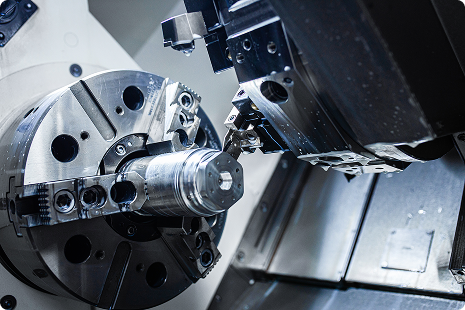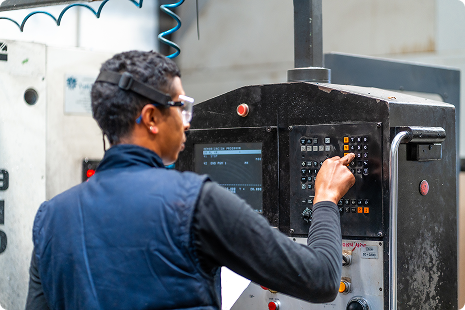
Whether producing cutting tools, tooling assemblies, or machine components, success comes down to how reliably programs perform once they reach the machine. In many environments, that reliability is still proven through manual intervention, test cuts, and incremental adjustments. But as complexity increases and timelines tighten, that approach becomes difficult to sustain.
Vericut provides a different approach. By validating real NC programs, cutting tool manufacturers can bring control upstream by verifying, analyzing, and optimizing their machining processes before cutting begins. This elevates shop floor performance from manual and reactive, to controlled and predictable.
.svg)
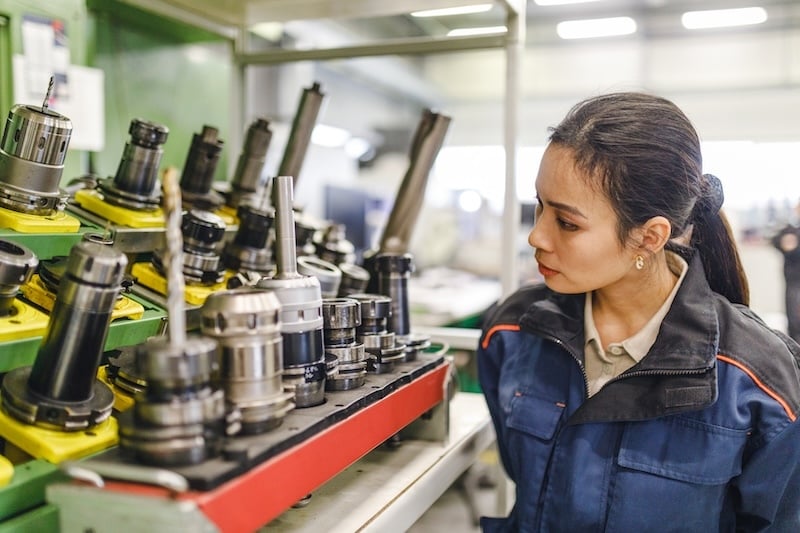
Tooling components are often small, intricate, and intolerant of error. Relief angles, flute forms, seat geometries, and contact surfaces all directly affect downstream machining performance. When tolerances are tight and the geometry is function-critical, manual prove-out becomes an expensive way to find problems.
.svg)
In machinery manufacturing and tooling manufacturing, a mistake can affect far more than one program. Tool design errors, gouges, clearance issues, or overlooked machine behavior can lead to scrap, rework, damaged tooling, and lost machine time. In cutting tool development, especially, those costs accumulate quickly.
.svg)
Machine tool manufacturing and machinery CNC operations often involve multi-axis movement, rotary configurations, special heads, sub-spindles, turrets, or gantry-style behavior. Validating only the toolpath is not enough. Full machine motion and interaction must be checked.
.svg)
Tooling manufacturers and machining tooling developers are under constant pressure to ship accurate parts quickly. Repeated manual trial-and-error slows development, ties up machines, and introduces avoidable instability into a workflow that should be controlled upstream.
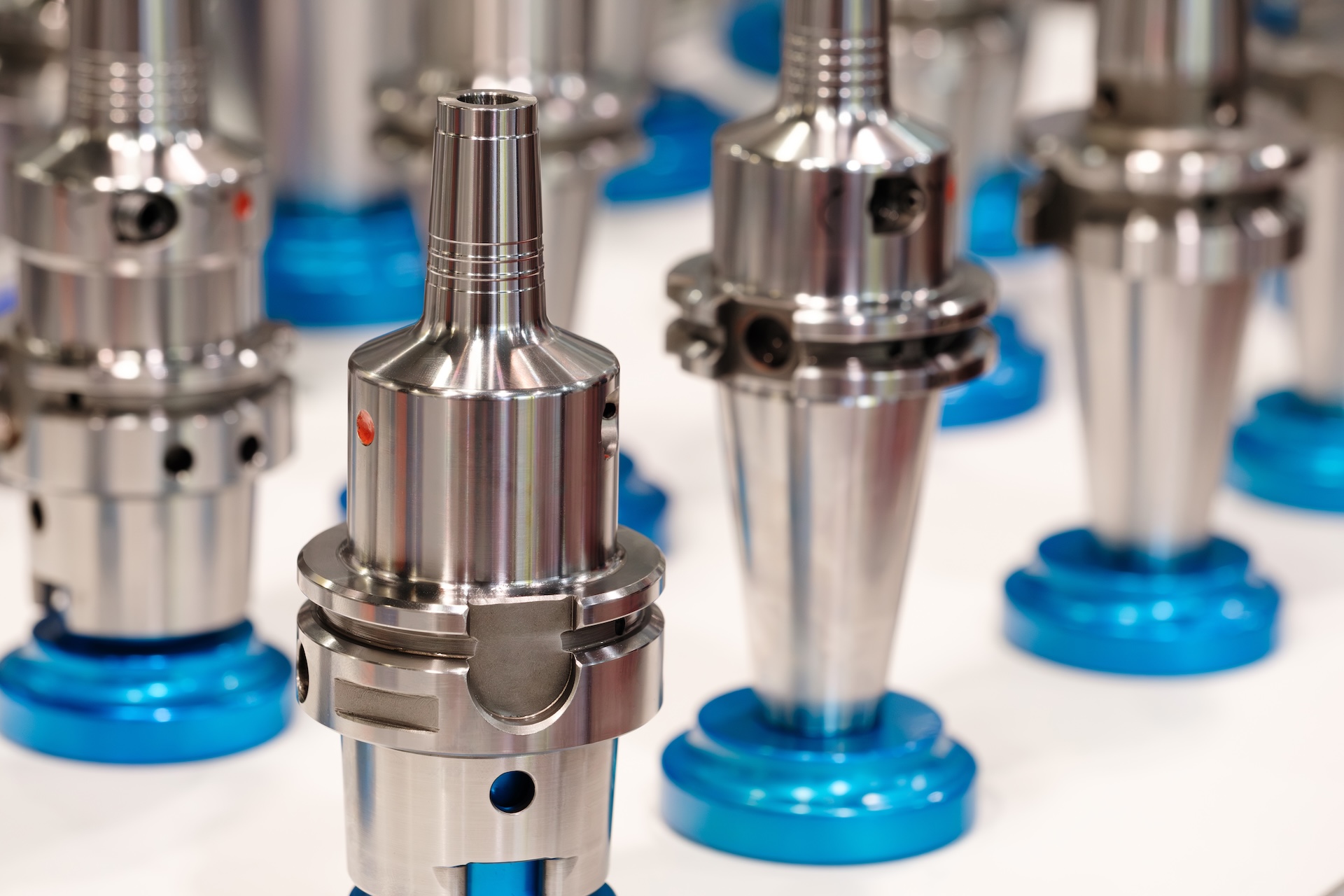
In the machinery and tooling industry, the cost of error is rarely limited to one part. A problem in a cutting tool, holder, insert seat, spindle component, or tooling assembly can affect downstream machining performance, surface finish, tool life, and delivery schedules.
That is why CNC verification matters here. Tooling and machinery manufacturing rely on accuracy at a very fine level, often across complex geometries, tight tolerances, and demanding machine behavior. Programs must run safely, repeatably, and without relying on manual prove-outs to expose what should have been caught earlier.
Vericut gives manufacturers a controlled way to validate that process. It verifies real machine logic and G-code, simulates full machine motion, and helps teams check exactly how the program will behave before it reaches production. It also supports optimization and comparison workflows that are particularly relevant in the tooling space, where geometry, finish, and cutting performance all matter.
For cutting tool manufacturers, machine tool manufacturing teams, and broader machinery manufacturing operations, Vericut supports a more predictable route from program creation to finished component.
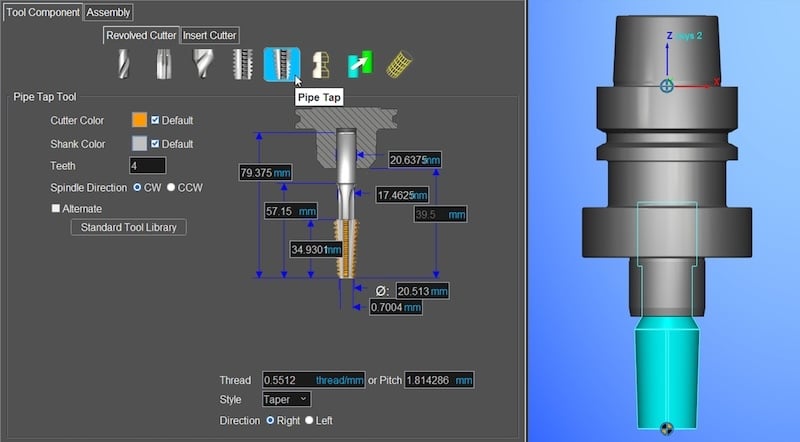
When running Vericut Force Optimization, we saw a 15% reduction in energy consumption, and a 12% cycle time reduction for drill bodies.

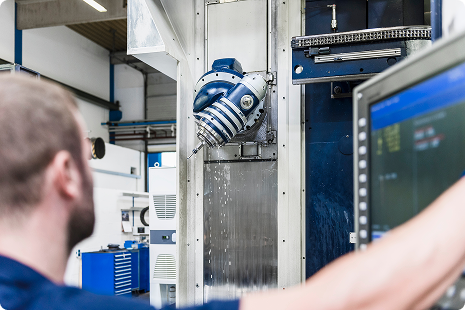
Machine tool manufacturing often involves high-precision structural and moving components that depend on accurate machining and reliable assembly interfaces.
Vericut supports these workflows by simulating real machine behavior, helping teams verify programs before release and avoid avoidable disruption.
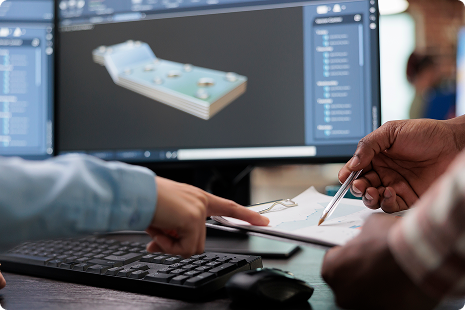
Where tooling changes are frequent, or CAD/CAM handoffs are complex, AUTO-DIFF™ provides a structured way to compare design intent with simulated outcome and detect geometry differences before production begins.
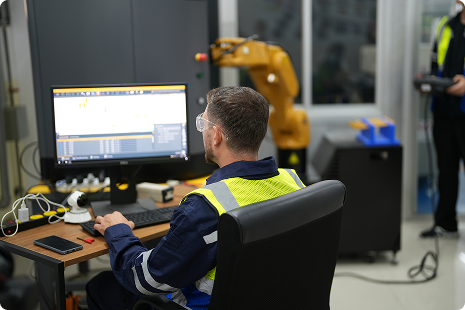

See how Vericut CNC simulation software can help your business forgo its CNC machining frustrations.
Address:
Vericut USA
CGTech Corporate Headquarters
9000 Research Drive
Irvine, California
92618-4214
Phone:
(949) 753-1050


 English - United Kingdom
 日本語 - 日本
 한국어 - 대한민국