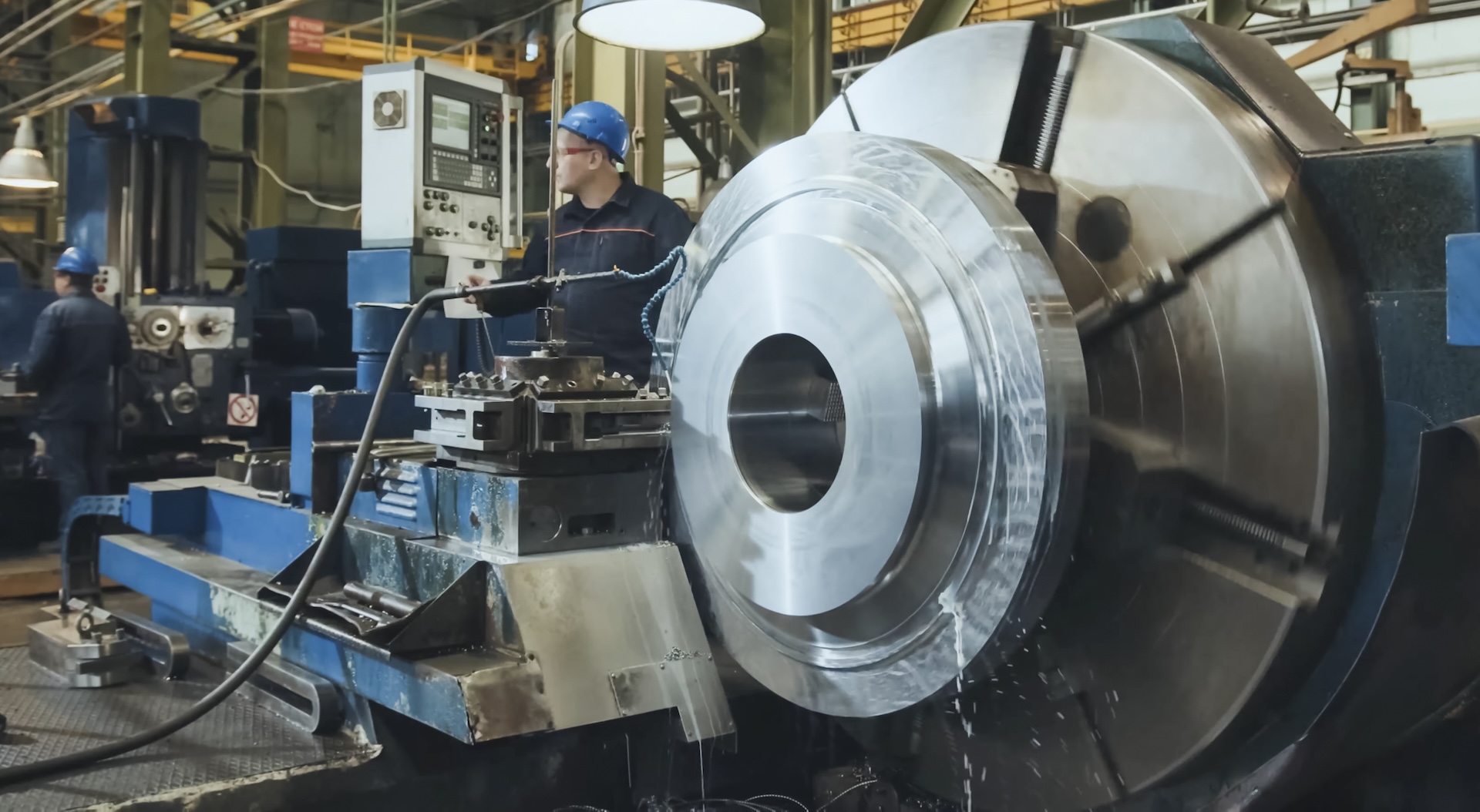
Machines are large. Programs are complex. Components are heavy, high-value, and often one-off or low-volume.
In these environments, downtime is expensive, scrap is costly, and machine damage can disrupt production for days or weeks.
Vericut is CNC simulation software for industrial machining that verifies and optimizes the exact NC code you plan to run, before it reaches the shop floor.
By simulating real machine kinematics, control logic, tooling, fixtures, and workholding, Vericut helps industrial manufacturers prevent collisions, reduce rework, and improve confidence across industrial CNC operations.
.png?width=698&height=465&name=Media%20(98).png)
.svg)
Many industrial components are physically large and expensive to produce. Scrap rates must be minimized, especially when material costs and machine time are significant.
.svg)
Unlike repetitive manufacturing, industrial machining often involves varied parts and short runs. This limits opportunities to refine programs through repeated prove-outs.
.svg)
Tombstones, pallets, custom fixtures, and large assemblies increase the risk of collisions and clearance issues. Validating only the toolpath is not enough; full machine motion and interaction must be verified.
.svg)
Industrial operations must balance safety with performance. Faster cycle times are valuable, but not at the expense of machine damage or instability.
Industrial CNC environments are defined by capital intensity, and operational pressure.
Machines are expensive, workpieces are large, and schedules are tight. A single crash can mean significant repair costs and production delays.
Vericut verifies the actual, post-processed NC code against a true-to-machine digital twin. That means what you validate in simulation reflects how the machine will move in reality. For industrial machining teams, this reduces the risk of unexpected behavior, protects high-value equipment, and strengthens process control.
Across the broader industrial industry, manufacturers rely on Vericut to:
Protect critical capital equipment.
Validate complex industrial CNC programs before release.
Standardize verification across facilities and teams.
Improve consistency in high-mix, low-volume production.
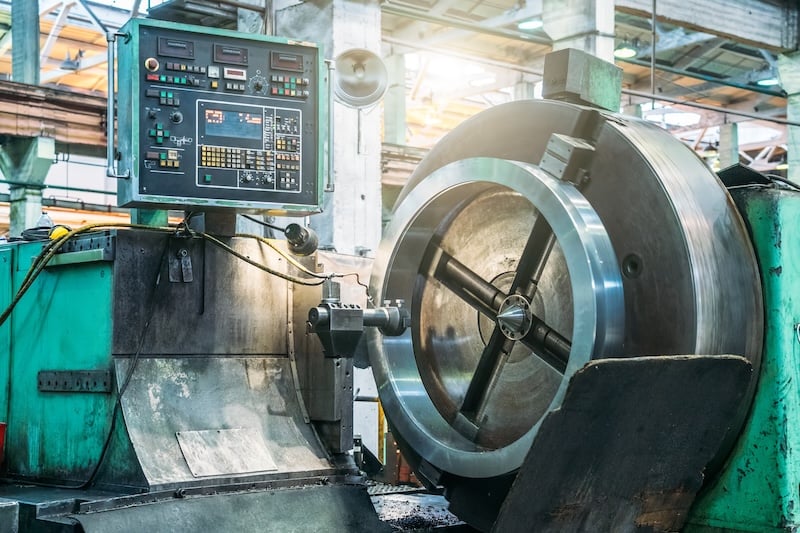
We were experiencing way too many collisions, mainly because of our deep cavities and big parts. We needed a way to protect our machines and reduce the downtime and expense that comes with crashed spindles.”
Vericut has been very useful in preventing these collisions, over-travels, and other mistakes such as gouging or uncut material. This protection has become even more important as we adapt to five-axis machining.

Frames, castings, housings, gearbox structures, and large fabricated assemblies demand precise machining across substantial work envelopes. These components often require deep cavity milling, large tools, and extended reach.
Vericut helps teams validate access, motion, and clearance before committing high-value material to the spindle.
.png?width=698&height=465&name=Media%20(100).png)
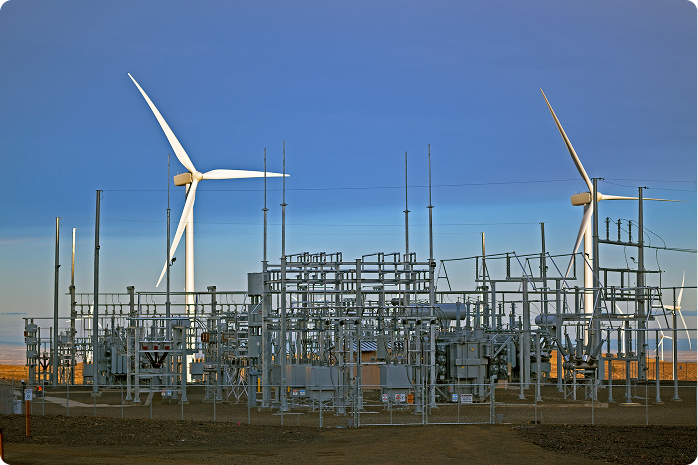
Industrial manufacturing frequently includes components for power generation, fluid handling, mining, and processing equipment. These parts combine scale with complexity and often involve long-cycle machining.
Vericut Simulation enables teams to review and refine programs before extended runtime begins.
Many industrial CNC shops operate in job-shop or project-based models where part variation is constant. Programs may only run once or twice.
Vericut supports consistent program review regardless of batch size, helping teams maintain control without relying on repetition to expose issues.
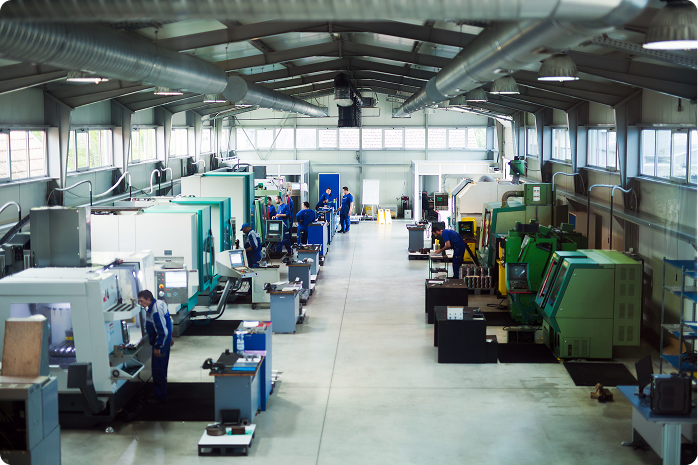
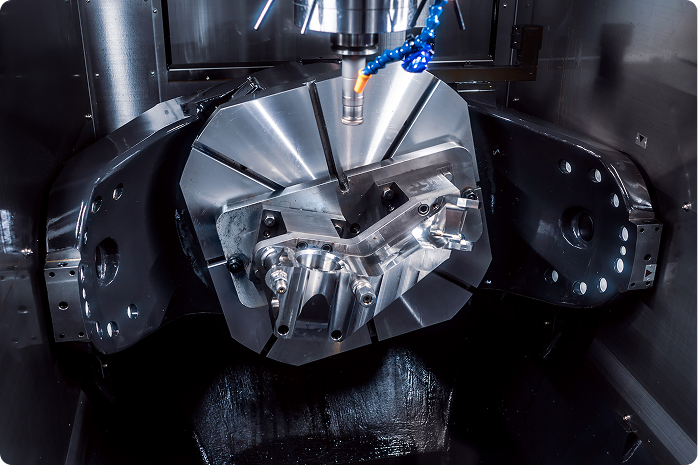
Floor-type mills, bridge machines, and large horizontals introduce unique motion constraints and machine behaviors. Long tool assemblies, angled heads, and multi-face setups increase the number of interaction points between the tool, part, and machine.
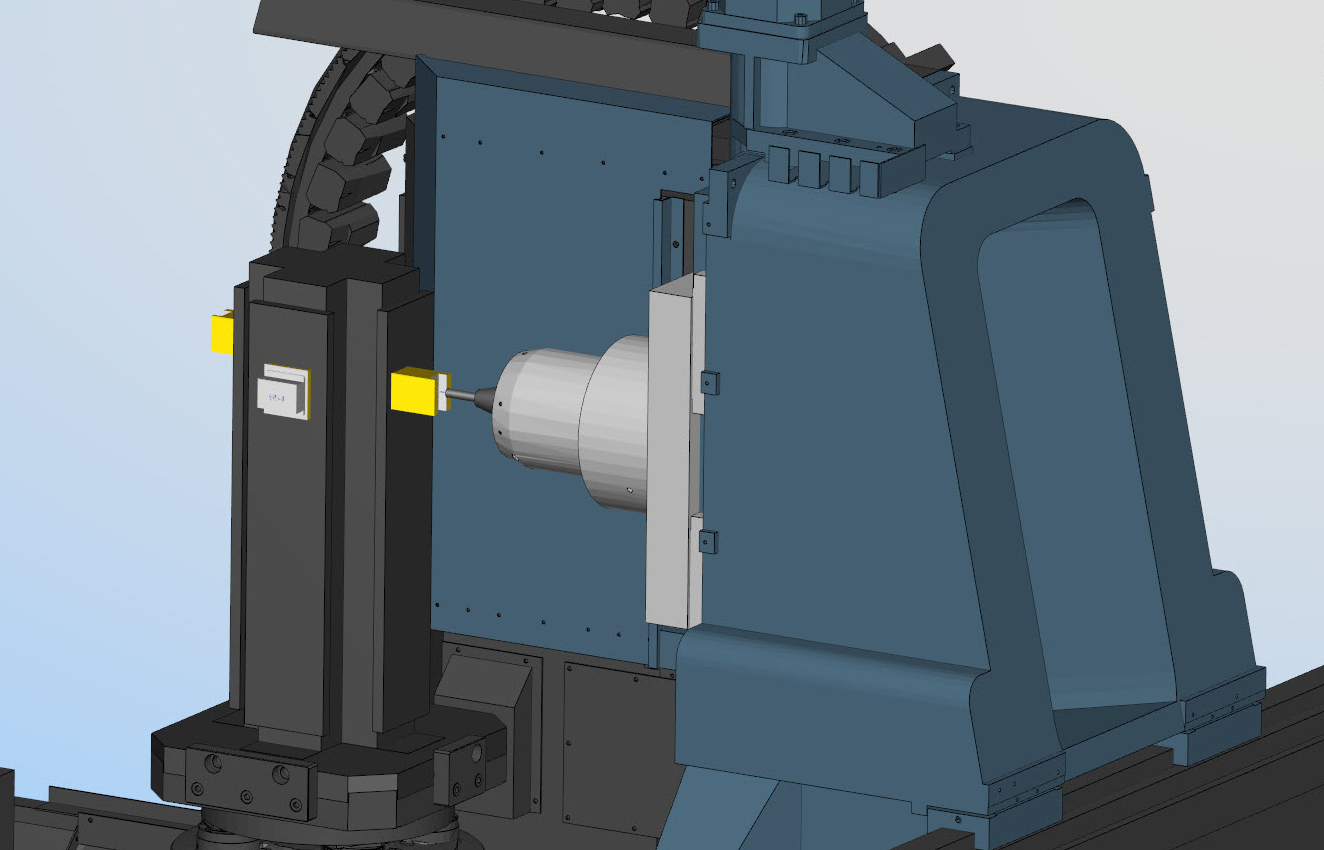
Vericut simulates full machine movement to provide a realistic picture of how the program will execute.
Industrial machining often uses tombstones, rotary pallets, and custom fixture systems to maximize spindle utilization. With multiple parts and orientations in play, clearance and sequencing matter.
Vericut allows manufacturers to model real fixtures, pallets, and workholding so complex setups can be reviewed before production begins.

See how Vericut CNC simulation software can help your business forgo its CNC machining frustrations.
Address:
Vericut USA
CGTech Corporate Headquarters
9000 Research Drive
Irvine, California
92618-4214
Phone:
(949) 753-1050


 English - United Kingdom
 日本語 - 日本
 한국어 - 대한민국