  • vi icon
  • You make it, we simulate it.

    Book your free demo today.
    Hero image

    CNC Simulation Software for Industrial Machining.

    Industrial CNC machining operates on a significant scale.

    Machine tools are large, programmes are complex and components can be heavy, high-value and produced in low volumes or as one-off parts.

    In these manufacturing environments, unplanned downtime can be extremely costly. Scrap, machine damage and production delays can have a significant impact on schedules, capacity and profitability.

    Vericut is CNC simulation and verification software for industrial machining that validates and optimises the actual NC code intended to run on the CNC machine before it reaches the shop floor.

    By simulating machine kinematics, controller behaviour, cutting tools, fixtures and workholding, Vericut helps industrial manufacturers identify potential collisions, reduce rework and improve confidence across complex CNC machining operations.

    Media (98)
    Frame 48095663 (15)

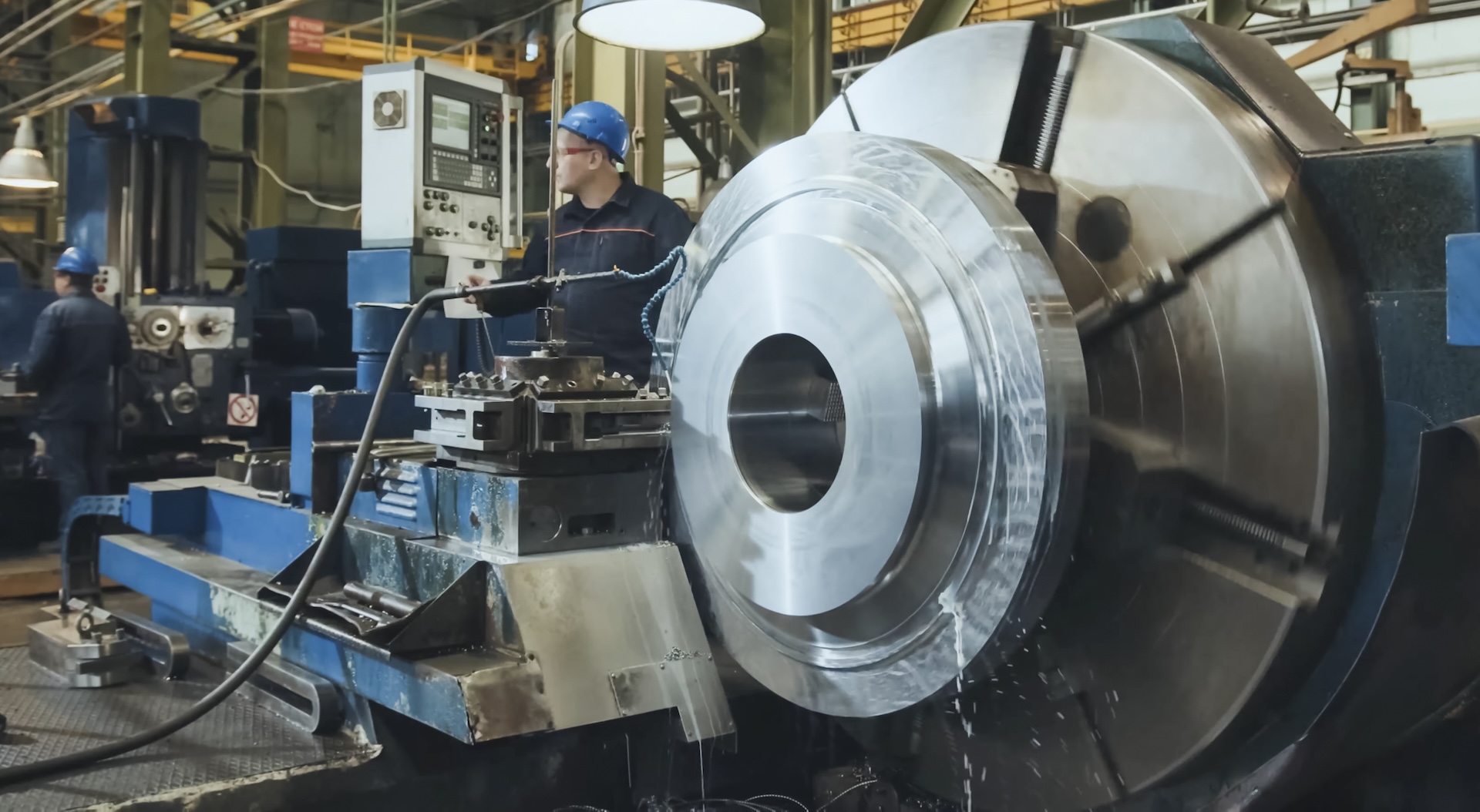
    Large, heavy, and high-value components.

    Industrial components are often physically large, difficult to handle and expensive to manufacture.

    With significant material costs and long machining times involved, minimising scrap is essential. A machining error discovered late in the process can result in substantial material waste and lost machine capacity.

    Frame 48095663 (16)

    High-mix, low-volume CNC production.

    Unlike high-volume manufacturing, industrial machining frequently involves a wide variety of components and relatively short production runs.

    Some CNC programmes may only be used once or a handful of times, limiting the opportunity to refine the process through repetition. Each new programme and set-up can therefore introduce additional manufacturing risk.

    Frame 48095663 (17)

    Complex fixtures, pallets and workholding.

    Large industrial components often require tombstones, pallets, custom fixtures and specialist workholding systems.

    As the complexity of the set-up increases, so does the potential for clearance issues and collisions. Verifying only the theoretical toolpath is not enough; the complete machine movement and interaction between the tool, workpiece, fixtures and machine must be considered.

    Frame 48095663 (18)

    Pressure to reduce downtime and improve productivity

    Industrial manufacturers need to improve throughput while maintaining safe and stable machining processes.

    Reducing cycle times is important, but productivity improvements must not increase the risk of machine damage, excessive tool wear, vibration or unstable cutting conditions.

    Why CNC simulation matters for industrial machining.

    Industrial CNC machining is characterised by high capital investment and demanding production schedules.

    Large CNC machine tools are expensive, workpieces can be substantial in both size and value, and machining programmes may run for many hours or even days. A single collision can lead to significant repair costs and extended production delays.

    Vericut verifies the actual post-processed NC code against a true-to-machine digital twin. This means the machining process validated in simulation is designed to reflect how the CNC machine will behave in the real manufacturing environment.

    For industrial machining teams, this helps reduce the risk of unexpected machine movement, protect high-value equipment and strengthen control over complex CNC production processes.

    Across industrial manufacturing environments, Vericut helps manufacturers to:

    • Protect capital equipment

    • Validate complex CNC programmes before release

    • Standardise verification processes across facilities

    • Maintain consistency in high-mix, low-volume production. 
    HeavyIndustry-4

    Benefits of CNC simulation for industrial machining

    Industrial CNC machining comes with significant scale and significant consequences when something goes wrong.

    Vericut helps address the specific risks associated with large components, complex machine tools, long machining cycles and varied production requirements.

    01.

    Protect high-value CNC machine tools and infrastructure

    Large horizontal machining centres, gantry mills, floor-type borers and mill-turn machines represent a substantial investment.

    When a machine is damaged, repairs can be expensive and downtime can affect multiple jobs and production schedules across an entire facility.

    Vericut verifies complete machine movement, including axis limits, rotary-axis motion, head and table configurations and large machine envelopes. This helps manufacturers identify potential problems before they result in damage to critical machine infrastructure.

    02.

    Reduce risk in long-cycle machining programmes

    Industrial CNC programmes can run for many hours or even several days.
    Discovering a programming or machining error late in a long cycle can result in significant material waste, lost spindle time and a substantial delay to production.

    By validating the complete NC programme before it is released to the machine, Vericut helps reduce the risk of finding errors halfway through the machining of a high-value industrial component.

    03.

    Improve process control in high-mix, low-volume manufacturing

    Industrial machining often involves one-off components, short production runs and constantly changing part requirements.

    There may be limited opportunity to learn from repeated production cycles, meaning each new CNC programme can bring a fresh set of risks.

    Vericut enables consistent offline CNC verification regardless of part mix or production volume, helping manufacturers maintain process discipline even when component variation is high.

    04.

    Improve cycle times safely on large components

    Optimising industrial CNC programmes is not simply a question of increasing cutting speed.

    Large tools, heavy cuts and demanding materials can make aggressive feed increases more likely to cause vibration, excessive tool wear or increased spindle loads.

    Using physics-based cutting analysis, Vericut supports controlled feed rate optimisation while helping maintain predictable tool engagement and machine load behaviour.

    This allows manufacturers to pursue productivity improvements without destabilising complex industrial machining processes.

    05.

    Increase confidence in complex fixtures and tombstone set-ups

    Industrial components are frequently mounted on large fixtures, tombstones, pallets and modular workholding systems.

    As set-up complexity increases, so does the potential for clearance issues between the machine, tooling, workpiece and workholding.

    Vericut allows manufacturers to simulate actual fixtures and workholding configurations, helping validate machine access and movement before the first production set-up reaches the CNC machine.

    We were experiencing way too many collisions, mainly because of our deep cavities and big parts. We needed a way to protect our machines and reduce the downtime and expense that comes with crashed spindles.”

    Vericut has been very useful in preventing these collisions, over-travels, and other mistakes such as gouging or uncut material. This protection has become even more important as we adapt to five-axis machining.

    Media-1
    André Chamberland
    CNC Programmer - M.I. Integration

    Applications of CNC simulation in industrial manufacturing

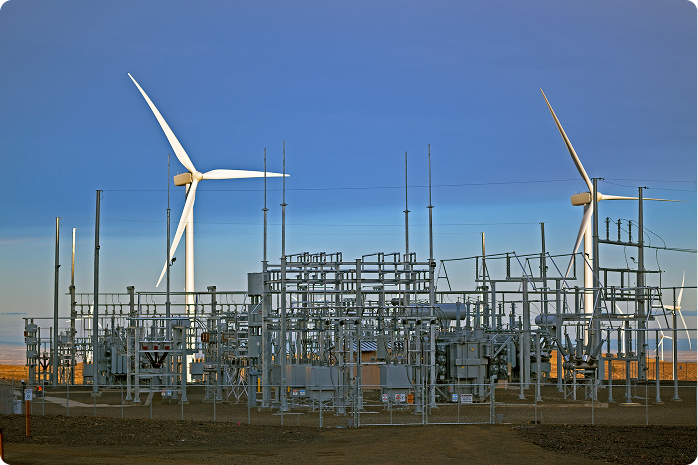
    Industrial machining supports the infrastructure and equipment used across many sectors. From heavy machinery and energy systems to mining and industrial processing equipment, components are often large, complex and operationally critical.

    Vericut helps manufacturers gain greater confidence before complex CNC programmes are released to production.

    Heavy equipment and industrial machinery components

    Frames, castings, housings, gearbox structures and large fabricated assemblies can require precision machining across substantial machine envelopes.

    These components may involve deep cavity milling, large cutting tools and long-reach tooling.

    Vericut helps manufacturing teams verify machine access, tool movement and clearance before committing expensive material to the spindle.

    Media (100)
    Media - 2026-07-06T074414.563

    Energy, processing and infrastructure components

    Industrial manufacturing includes components used in power generation, fluid handling, mining, processing and other critical infrastructure applications.

    These parts often combine substantial size with complex geometries and extended machining cycles.

    Vericut Simulation enables manufacturers to review, verify and refine CNC programmes before long machining operations begin, helping reduce the risk of errors during production.

    High-mix, low-volume CNC machining

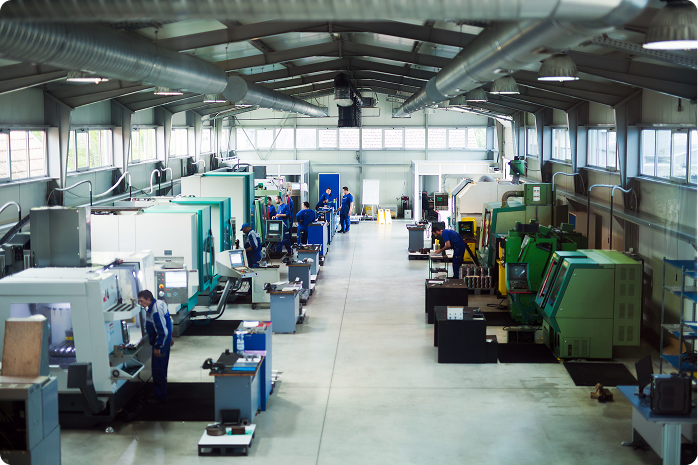
    Many industrial CNC machining businesses operate as job shops or within project-based manufacturing environments where component variation is high.

    Programmes may only run once or twice, making it difficult to rely on repetition to identify potential problems.

    Vericut supports consistent CNC programme verification regardless of batch size, helping manufacturers maintain process control when production volumes are low and part variation is high.
    Media - 2026-07-06T074524.933
    Media - 2026-07-06T074624.882

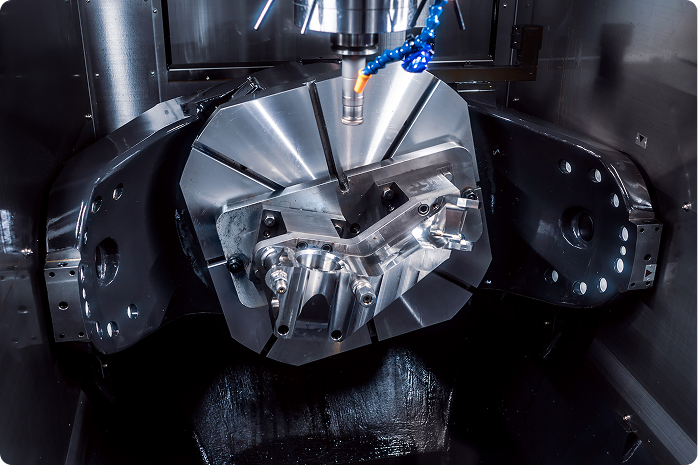
    Large 5-axis, horizontal and gantry CNC machines


    Floor-type milling machines, bridge machines and large horizontal machining centres all introduce specific machine behaviours and motion constraints.

    Long tool assemblies, angled heads and multi-face machining set-ups increase the number of possible interactions between the cutting tool, workpiece, fixtures and machine tool.

    Vericut simulates complete machine movement to provide a more realistic view of how the CNC programme will execute in production.

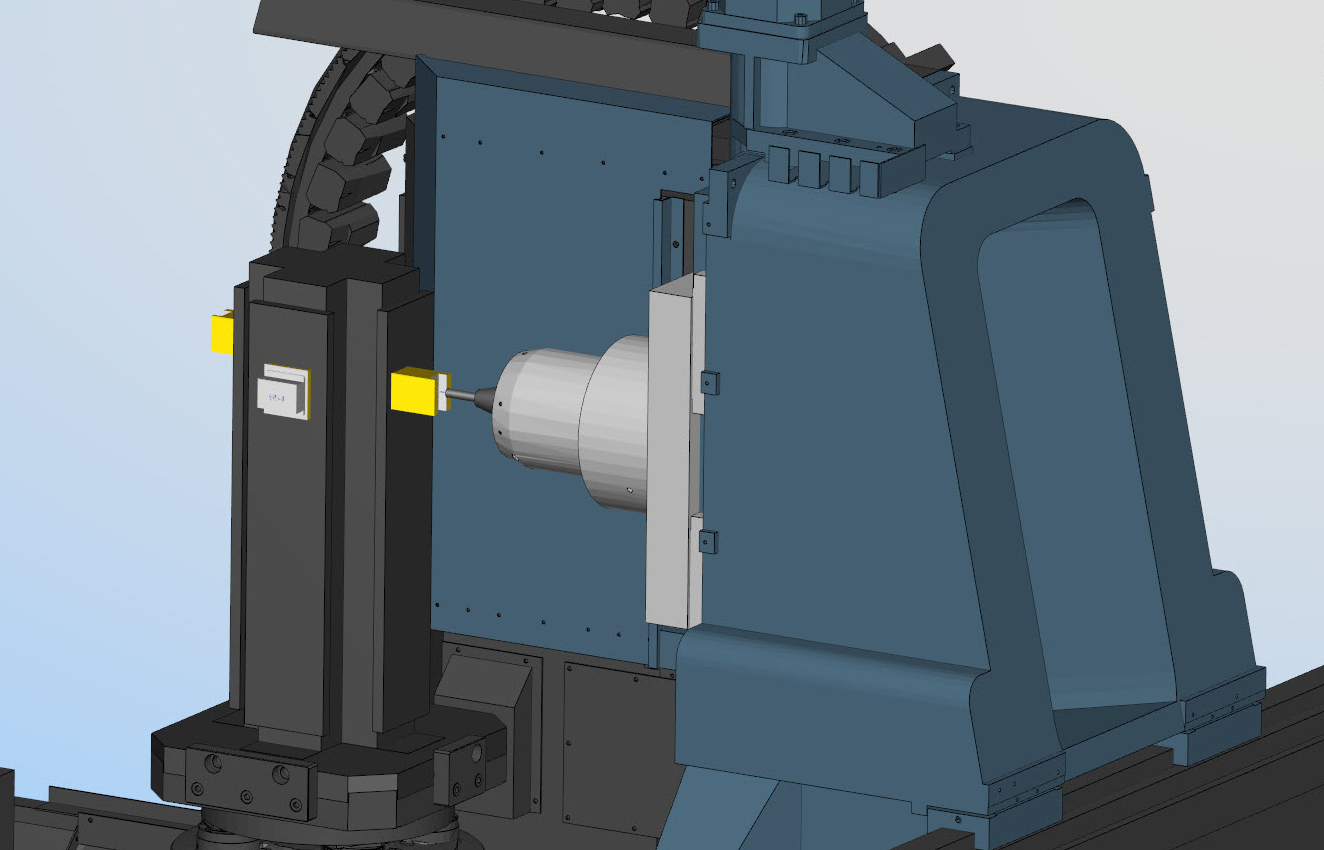
    Palletised, tombstone and modular workholding systems


    Industrial machining frequently uses tombstones, rotary pallets and custom fixture systems to maximise machine utilisation.

    When multiple components and orientations are involved, clearance, sequencing and machine access become increasingly important.

    Vericut allows manufacturers to model real fixtures, pallets and workholding systems so complex CNC machining set-ups can be reviewed and verified before production begins.
    Tombstone
    Industrial

    Industrial Machining FAQs.

    01.
    How does Vericut support industrial CNC machining?

    Vericut supports industrial CNC machining by allowing manufacturers to validate complex NC programmes offline before they are released to the CNC machine.

    This helps reduce machine downtime, protect expensive equipment and improve confidence before first-article production begins.

    02.
    Why is CNC simulation important for industrial machining?

    Industrial components can be large, expensive and time-consuming to manufacture.

    CNC simulation helps reduce the risk of scrap, collisions and machine damage, all of which can have a significant financial and operational impact in industrial manufacturing.

    03.
    How much CNC set-up time can Vericut save?

    By validating CNC programmes offline and reducing the need for manual prove-outs, industrial manufacturers can reduce machine set-up and first-article production time.

    The exact time savings depend on factors such as part complexity, machine configuration and existing manufacturing processes, but reducing manual prove-outs can deliver measurable improvements in both machine availability and production efficiency.

    04.
    Can Vericut simulate actual fixtures, tombstones, pallets and workholding?

    Yes. Vericut supports detailed modelling of industrial CNC fixtures, tombstones, pallets and workholding systems, allowing the virtual machining environment to reflect the real production set-up.

    05.
    Can Vericut handle complex industrial CNC machining and multi-axis machines?

    Yes. Vericut is designed to simulate large and complex CNC machine tools, including multi-axis milling machines, gantry systems, mill-turn machines and palletised production environments.

    06.
    Can industrial CNC programmes be verified offline before using the machine?

    Yes. Vericut enables complete offline verification of industrial NC programmes, allowing manufacturing teams to prove programmes before occupying valuable machine time.

    This helps reduce manual machine prove-outs, improve machine utilisation and increase confidence before production begins.

    Explore more Vericut products.

    Vericut Verification

    Detect errors, eliminate collisions and say goodbye to manual prove-outs once and for all.

    Vericut Force

    Optimize your tool paths and enhance your NC programs for the fastest, most efficient machines, ever.

    AUTO-DIFF™

    Compare CAD design modules to Vericut simulations and detect design differences and weaknesses.

    Multi-Axis

    Verify complex multi-axis machine applications and check for errors at the workpiece and the tool.

    Machine Connectivity & Monitoring

    Create and manage your most accurate digital twins ever by leveraging CNC machine data from your shop floor.

    Brand Icons - light

    Request a demo today.

    See how Vericut CNC simulation software can help your business forgo its CNC machining frustrations.  

    Address:

    Vericut UK
    Curtis House, 34 Third Avenue,
    Hove, East Sussex, BN3 2PD

    Phone:
    +44 (0)1273-773538