  • verticut intelligence icon
  • You make it, we simulate it.

    Book your free demo today.
    Hero image

    Simulation Software for CNC Machine Shops.

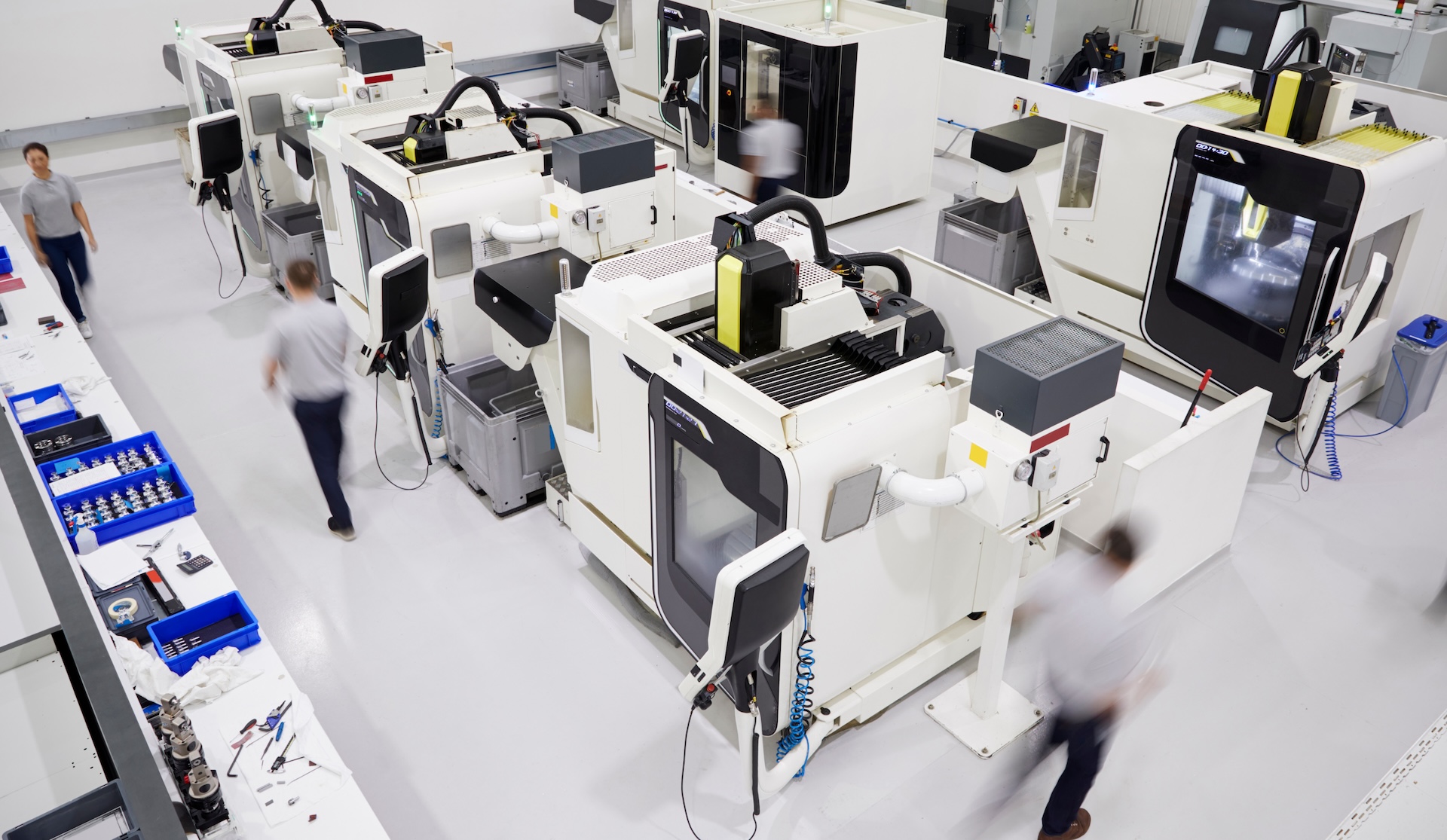
    In a CNC job shop, no two weeks look the same.

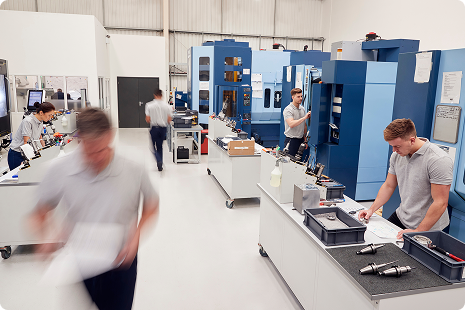
    Every job is different, setups change constantly, and programs commonly arrive from customers in different formats. Machines range from older retrofits to modern 5-axis platforms, and margins depend on getting it right the first time.

    Vericut gives CNC contract machine shops working with small batch machining a practical way to verify the exact NC code they plan to run, before pressing Cycle Start. It helps prevent crashes, reduce prove-out time, and improve confidence when every part feels like a one-off.
    Media - 2026-07-06T084235.348
    Frame 48095663 (20)

    Constant setup changes.

    Frequent fixture swaps, soft jaws, custom workholding, and varied tooling increase the likelihood of clearance errors and unexpected motion.

    Frame 48095663 (16)

    Mixed machine fleets.

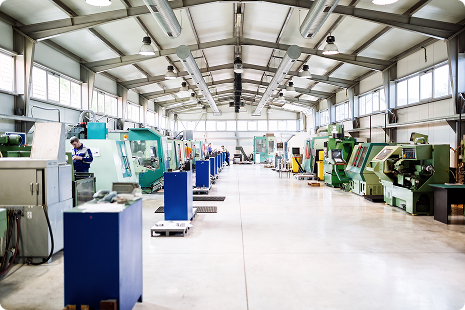
    Subcontract CNC machine job shops often operate a combination of older machines, retrofits, and newer multi-axis equipment. Validating motion across varied kinematics adds complexity.

    Frame 48095663 (17)

    High-mix, low-volume batch work.

    Many low-volume machining jobs are prototypes, short runs, batch work, or urgent customer requests. There is little opportunity to refine programs through repetition.

    Frame 48095663 (18)

    Limited time for prove-outs.

    In a CNC machine shop, extended manual prove-outs consume spindle time and operator attention. In a busy shop, tying up a machine to cautiously test code is expensive.

    Why CNC simulation matters for CNC machine shops.

    In low-volume, high-mix manufacturing, mistakes can’t be absorbed by repetition. The first part often sets the tone for the entire job.

    A single crash can tie up your most valuable machine, delay other queued jobs, disrupt cash flow, and damage customer confidence.

    That’s why Vericut verifies the real, posted G-code that CNC machining services intend to run, against a digital model of your machine, tooling, fixtures, and workholding. That means what you see in the simulation reflects what will happen at the machine.

    For CNC subcontract machining shops, this isn’t about squeezing seconds out of mass production - it’s about reducing risk when every setup is different.
    MachineShops-4

    Benefits for high-mix, low-volume contract manufacturing environments.

    Custom machining service job shops live on adaptability. But constant change increases exposure. Vericut brings structure to environments where variation is normal.

    01.

    Maintain margins on small batch and prototype work.

    Short runs on precision batch work don’t leave room for error. A scrapped part on a five-piece job can erase the profit entirely.

    Vericut helps protect margins by catching gouges, excess stock removal, and unexpected machine motion before cutting begins. Even on “quick jobs,” that extra validation can prevent expensive setbacks.

    02.

    Reduce costly prove-out time on first-time jobs.

    Manual prove-outs consume valuable spindle hours. Operators slow feeds, hover over feed-hold, and cautiously step through code.

    Simulation allows CNC machine shops to move much of that risk evaluation offline. Instead of using your machine as a test environment, you validate the program before setup is complete.

    This reduces machine tie-up and shortens the path to first-article approval.


    03.

    Protect your most valuable asset: machine uptime.

    In a customized manufacturing job shop, machines are revenue engines. A crash doesn’t just damage tooling - it disrupts scheduling, delays other customers’ work, and affects cash flow.
     
    Vericut verifies the exact posted G-code before it reaches the machine. By identifying collisions, over-travel, and clearance issues early, it helps protect spindle time and avoid unplanned downtime. For many contracting CNC machine shops, preventing a single major crash pays for 
the investment.

    04.

    Standardize validation across programmers and operators.

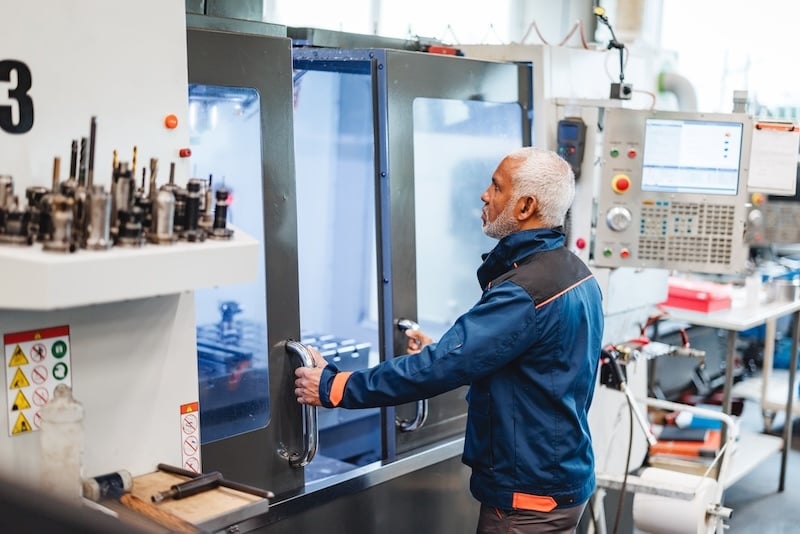
    In many CNC machine shops, flexible production means that workflows vary from individual to individual. Some programmers are cautious; others rely heavily on experience.

    Vericut creates a consistent verification step, reducing dependency on individual habits. This helps maintain quality and consistency as teams grow or evolve.

    05.

    Support a mixed fleet of machines.

    Small batch machine job shops rarely operate a uniform machine lineup. Older verticals may sit alongside new 5-axis platforms.
     
    Vericut can model both legacy machines and modern multi-axis equipment. This ensures consistent program validation across your entire shop floor.
     

    All six of BMP’s programmers use Vericut, 100% of the time. My only regret is that we didn’t buy it sooner!

    Media-1
    Andrew Baskins

    Co-Founder- Baskins Machined Products

    Applications for precision machining services.

    Contract and subcontract manufacturing is ever-changing. One week may involve prototype aerospace brackets, the next a batch of custom machine components, followed by urgent repair work.

    Vericut supports this constant change by providing a structured way to validate programs before production begins - regardless of part type, material, or machine platform.

    One-off and prototype machining.

    Prototype and first-article work carries heightened risk. There is no production history to rely on, and design revisions may still be evolving.

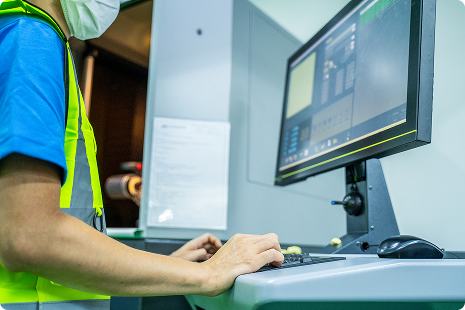
    Vericut allows small-batch machine programmers to validate machine motion, clearances, and stock removal before committing valuable spindle time. When a part will only be run once, catching issues early is not optional - it protects both margin and customer trust.
    Media - 2026-07-06T090346.647
    Media - 2026-07-06T090422.127

    Customer-supplied programs and reverse-engineered parts.

    Energy and oil and gas components often contain internal channels, cross-drilled features, and deep cavities that are difficult to visualize solely through toolpath review.

    Simulation provides a controlled way to evaluate:

    • Tool reach and holder clearance inside deep bores.

    • Rotary axis positioning in confined spaces.

    • Head and table movement relative to part geometry.

    This is especially critical where internal geometry affects pressure containment or flow performance.

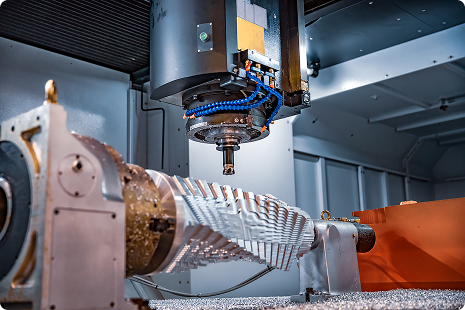
    Complex 3+2 and simultaneous 5-axis jobs.

    As subcontract job shops expand capabilities, multi-axis machining becomes more common.

    These parts often involve:

    • Angled head positioning.

    • Deep cavity access.

    • Tight holder-to-part clearances.

    • Complex rotary motion.

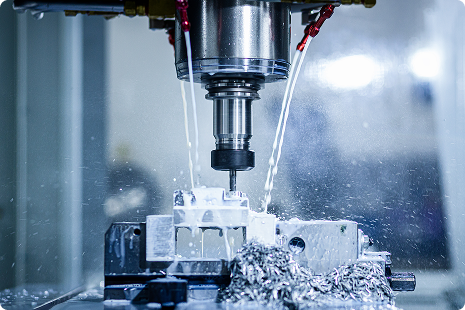
    Simulation helps validate head rotation, axis limits, and tool reach before machining begins, reducing the chance of unexpected interference.
    Media - 2026-07-06T090700.134
    Media - 2026-07-06T090734.309

    Mixed-material machining environments.


    Small batch machining shops regularly move between aluminum, tool steels, stainless, titanium, plastics, and specialty alloys. Each material behaves differently under load.

    CNC verification and simulation supports consistency regardless of material type. When combined with optimization tools, it also allows controlled feed adjustments based on actual tool engagement, helping stabilize performance across varied materials.

    Short-run production with tight delivery windows.


    Many high-mix, low-volume contract manufacturing shops operate under urgent timelines. A delay caused by a preventable machine issue can impact multiple customers in sequence.

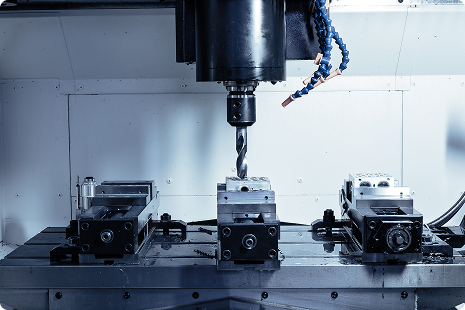
    Vericut helps reduce first-run surprises, allowing teams to release programs with greater confidence and keep jobs moving through the schedule.
    Media - 2026-07-06T091046.205
    cnc machine shop

    CNC Machine Shop FAQs.

    01.
    Is Vericut practical when every job is different?

    It really is. Job shops benefit from Vericut’s consistent verification and simulation support precisely because every job is different. Instead of relying on repetition to expose problems, Vericut allows you to validate each program independently before cutting.


    02.
    How long does it take to set up Vericut for a one-off part?

    Once a subcontract CNC manufacturer’s machines and base configurations are established, setting up a new job is typically integrated into the normal programming workflow. It becomes part of the release process rather than a separate burden.

    03.
    Does Vericut simulate the exact posted G-code we send to the machine?

    It certainly does. Vericut verifies the real post-processed NC code, not just the theoretical CAM toolpath. This is critical when validating the exact program that will run.

    04.
    Is Vericut worth the investment for small part, and high-mix, low-volume machining quantities?

    For CNC contract and subcontract job shops, preventing just one serious crash or scrapped high-value part can offset the investment. The value lies in risk reduction and protected machine uptime.


    05.
    Will Vericut scale if we expand our CNC machine shop capacity?

    Absolutely. Additional machines and configurations can be added into Vericut as your shop grows.

    Explore more Vericut products.

    Vericut Verification

    Detect errors, eliminate collisions and say goodbye to manual prove-outs once and for all.

    Vericut Force

    Optimize your tool paths and enhance your NC programs for the fastest, most efficient machines, ever.

    AUTO-DIFF™

    Compare CAD design modules to Vericut simulations and detect design differences and weaknesses.

    Multi-Axis

    Verify complex multi-axis machine applications and check for errors at the workpiece and the tool.

    Machine Connectivity & Monitoring

    Create and manage your most accurate digital twins ever by leveraging CNC machine data from your shop floor.

    Brand Icons - light

    Request a demo today.

    See how Vericut CNC simulation software can help your business forgo its CNC machining frustrations.  

    Address:
    Vericut USA
    CGTech Corporate Headquarters
    9000 Research Drive
    Irvine, California
    92618-4214

    Phone:
    (949) 753-1050