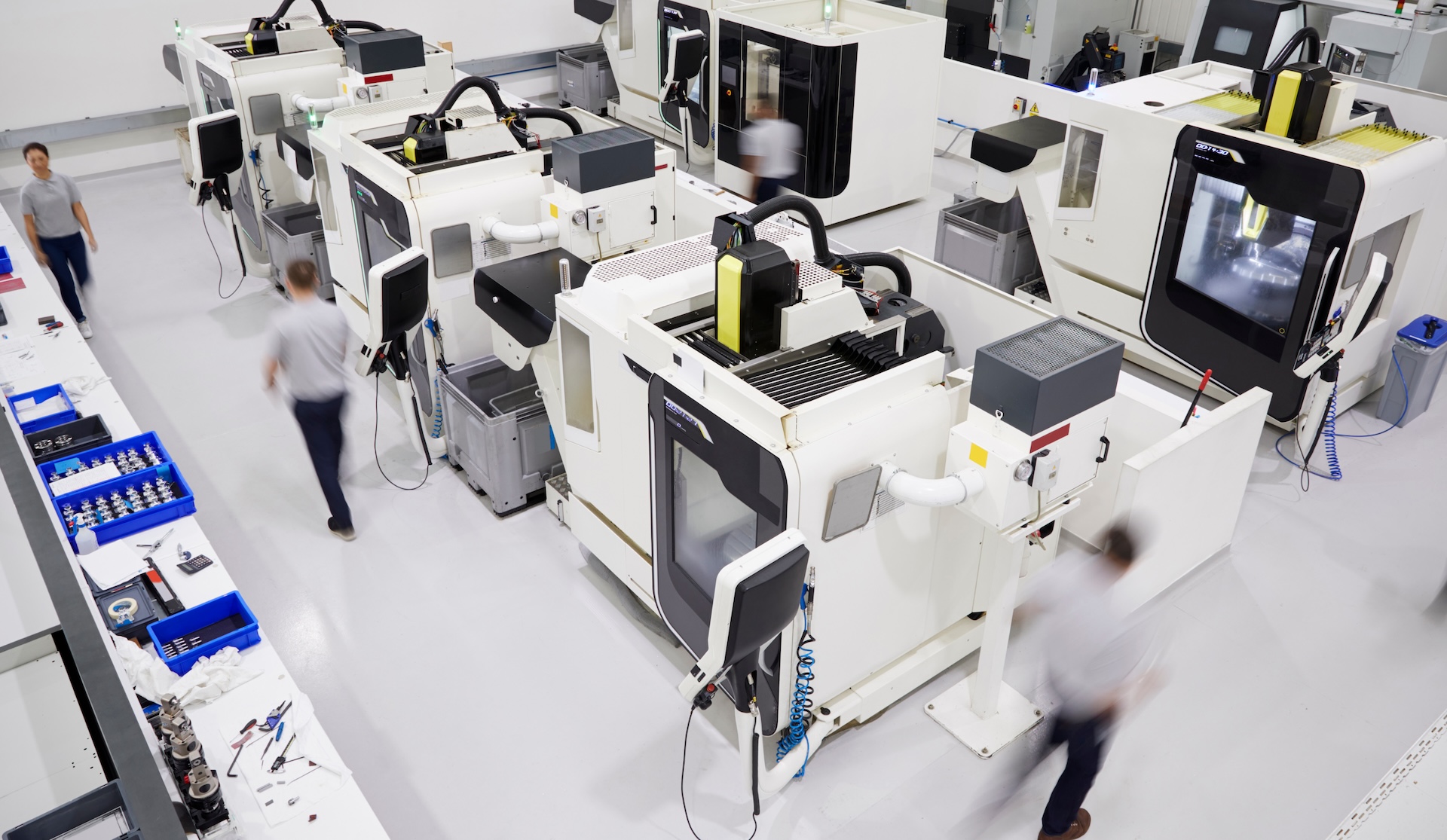
Jobs change regularly, fixtures and workholding are constantly adapted, and CNC programmes may arrive from customers in a variety of formats. A shop floor may include older CNC machines alongside modern 5-axis machining centres, while production margins depend on getting each job right first time.
Vericut provides CNC contract manufacturers and subcontract machining companies with a practical way to verify the actual NC code they intend to run before pressing Cycle Start.
By simulating the machine tool, tooling, fixtures and workholding, Vericut helps CNC machine shops identify potential collisions, reduce manual prove-out time and improve confidence when every job is different.
.svg)
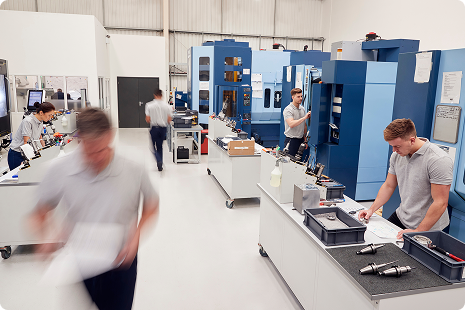
CNC subcontract machining often involves frequent changes to fixtures, soft jaws, custom workholding and cutting tools.
Every new set-up can introduce different clearance requirements and potential machine movement issues, increasing the risk of unexpected interference if the programme is not properly verified.
.svg)
Many CNC machine shops operate a combination of older machine tools, retrofitted equipment and modern multi-axis machining centres.
Verifying CNC programmes across different machine configurations and kinematics can add complexity, particularly when programmes are transferred between machines or adapted for different production requirements.
.svg)
CNC job shops regularly produce prototypes, one-off components, short production runs and urgent customer orders.
With limited opportunity to refine a programme through repeated production, each new job needs to be proven efficiently and reliably before machining begins.
.svg)
Manual CNC prove-outs consume valuable machine time and operator attention.
In a busy subcontract machine shop, using a CNC machine as a test environment can reduce available production capacity and delay other customer work. Manufacturers need a faster way to identify potential problems before the programme reaches the machine tool.
In high-mix, low-volume manufacturing, there is little opportunity for repetition to expose mistakes.
The first component may be the only one produced, or the first part may determine whether a short production run can continue successfully.
A single CNC machine crash can occupy a valuable machine, delay other customer orders, disrupt production schedules and damage customer confidence.
Vericut verifies the actual post-processed G-code intended for production against a digital model of the CNC machine, tooling, fixtures and workholding.
This means the simulation is designed to reflect how the CNC programme will behave on the machine, helping manufacturers identify potential problems before cutting begins.
For CNC subcontractors and contract machine shops, CNC simulation is not simply about maximising production speed. It is about reducing risk when every customer, component, material and machine set-up may be different.
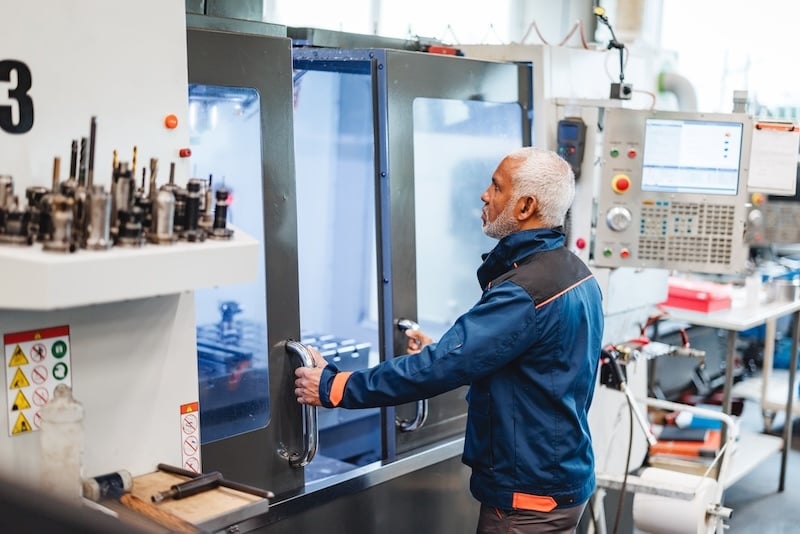
All six of BMP’s programmers use Vericut, 100% of the time. My only regret is that we didn’t buy it sooner!

Prototype and first-article machining carries additional risk because there may be no previous production history to rely on.
Designs may still be evolving, components may only be produced once and the CNC programme may be completely new to the machine shop.
Vericut allows CNC programmers to verify machine movement, tool clearance and material removal before valuable machine time and material are committed to production.
When a component is only going to be manufactured once, identifying potential problems before machining begins can help protect both the job margin and the customer relationship.
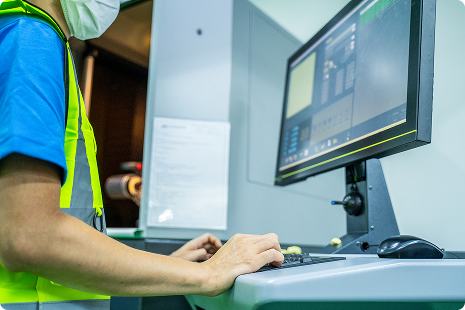
CNC subcontractors may receive externally generated G-code, legacy CNC programmes or incomplete technical documentation from customers.
Running unfamiliar code directly on a machine tool can introduce additional uncertainty.
Vericut verifies the actual posted NC code against the specific machine configuration, helping job shops improve confidence when accepting customer-supplied programmes or manufacturing components based on reverse-engineered data.
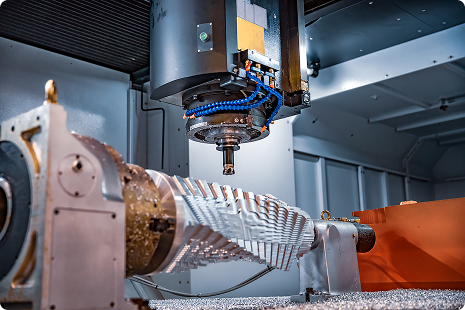
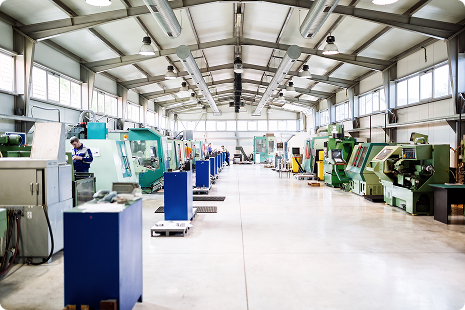
As CNC machine shops expand their capabilities, multi-axis machining is becoming increasingly common.
These programmes may involve angled head positioning, deep cavity access, tight tool-holder-to-part clearances and complex rotary-axis movement.
CNC simulation helps verify head rotation, axis limits and tool reach before machining begins, reducing the risk of unexpected interference during complex 3+2 and simultaneous 5-axis machining operations.
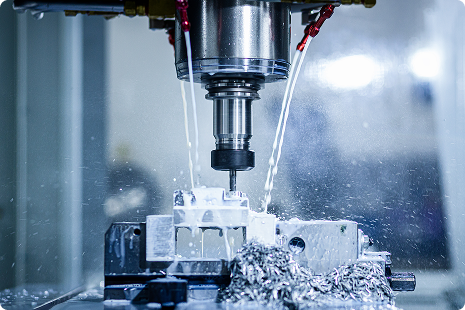
Small batch CNC machine shops often move between aluminium, tool steels, stainless steel, titanium, plastics and specialist alloys.
Each material behaves differently during machining and can place different demands on cutting tools, feeds, speeds and machine loads.
CNC simulation and verification supports consistent programme validation across different material types. When combined with optimisation tools, manufacturers can also apply controlled feed adjustments based on actual tool engagement to help maintain stable machining performance.
Many high-mix, low-volume contract manufacturers operate under demanding delivery schedules.
A preventable machine problem can delay one job and create a knock-on effect across multiple customer orders.
Vericut helps reduce first-run surprises by allowing CNC programmes to be verified before machining begins, helping teams release programmes with greater confidence and keep work moving through the production schedule.
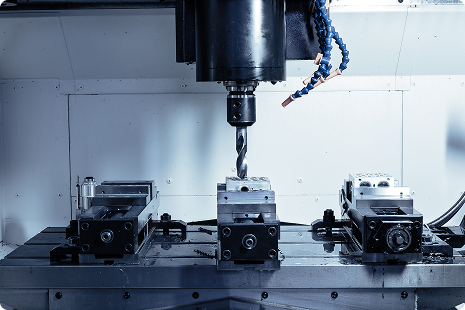

See how Vericut CNC simulation software can help your business forgo its CNC machining frustrations.
Address:

 English - United States
 日本語 - 日本
 한국어 - 대한민국