Mould and die machining isn’t just another stage in manufacturing—it’s where precision shapes the quality of thousands, sometimes millions, of downstream components.
Each project is typically a one-off, often involving hard-to-machine materials and demanding lead times. With little room for trial and error, even the smallest mistake can escalate into costly rework, missed delivery dates, or full-scale production shutdowns.
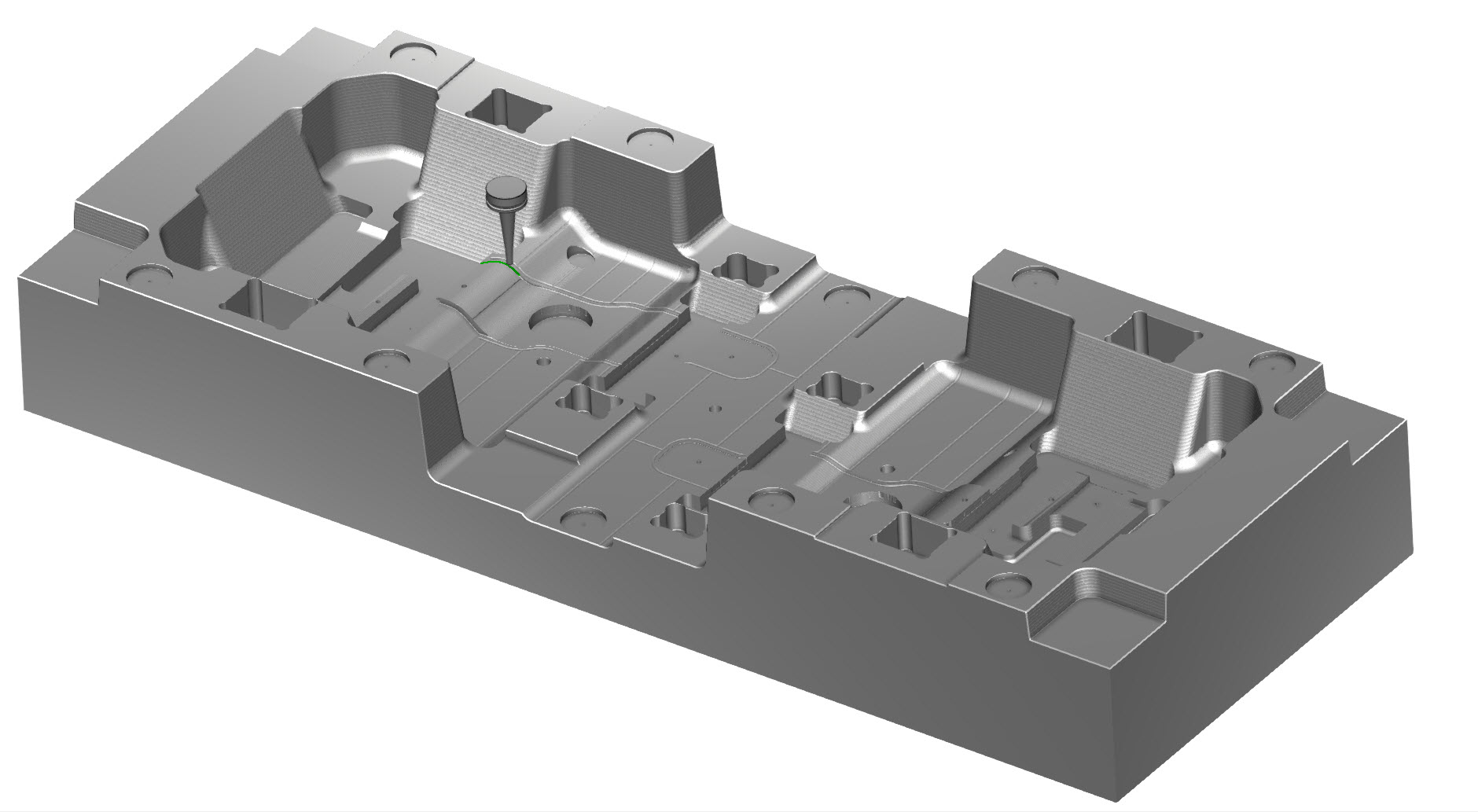
For mould and die manufacturers, the margin for error is extremely slim. Complex geometries, deep cavities, and freeform surfaces require advanced multi-axis CNC machining and long, high-risk toolpaths.
Tight tolerances—often measured in microns—mean that even minor inaccuracies can render a mould unusable. Combined with rising tooling costs and fixed delivery schedules, the pressure to get it right first time is immense.
That’s why leading manufacturers worldwide rely on Vericut CNC simulation software.
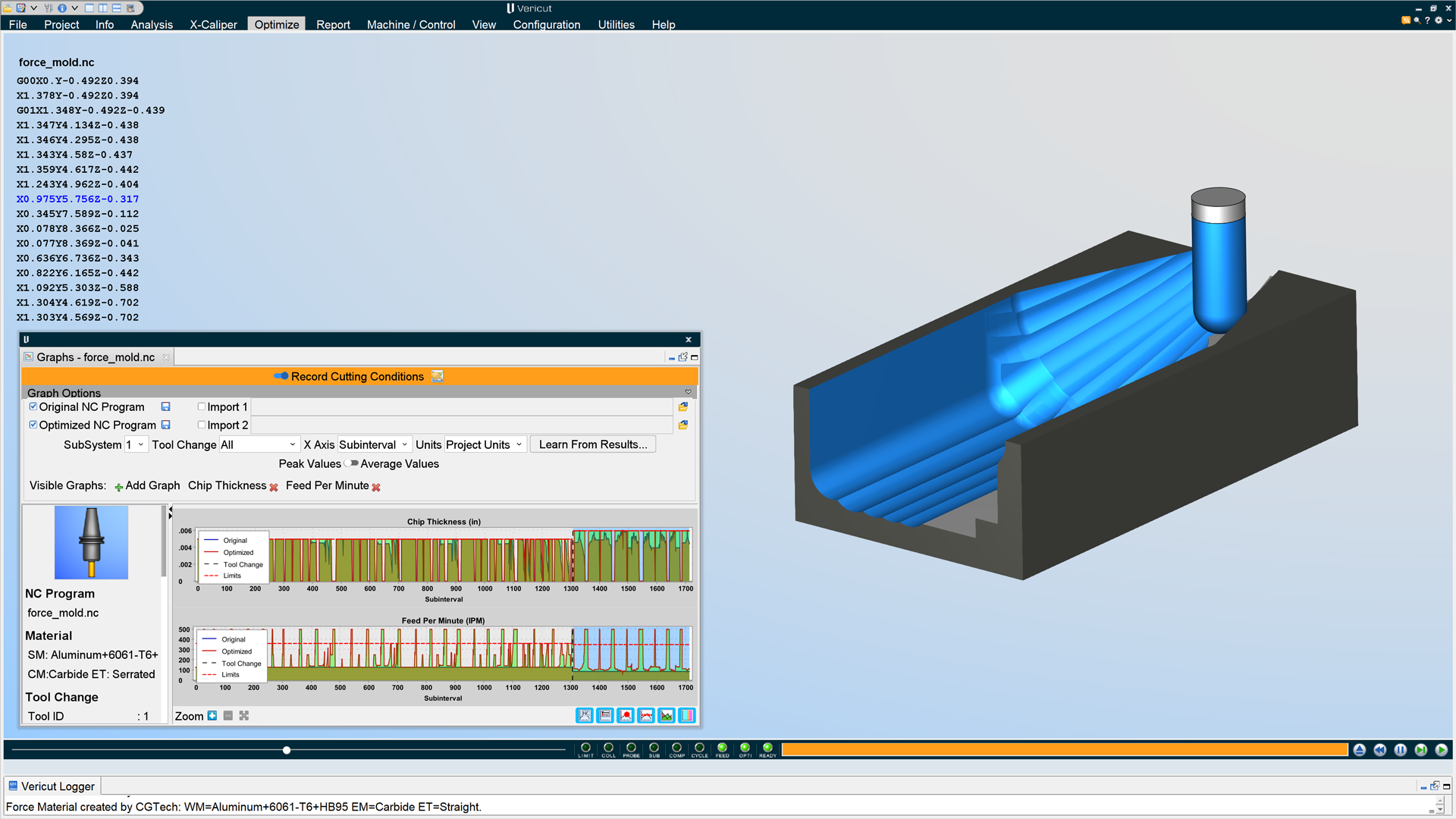
By verifying toolpaths directly from NC code and optimising machining conditions before cutting begins, Vericut helps manufacturers produce moulds and dies that are accurate, safe, and ready for production—supporting plastic injection moulding and stamping applications.
-1.png?width=64&height=64&name=Brand%20Icons%20-%20light%20(2)-1.png)
Undercuts, deep cavities, and freeform surfaces often require 5-axis or multi-axis CNC machining, resulting in long, complex toolpaths with increased risk.
-1.png?width=64&height=64&name=Brand%20Icons%20-%20light%20(5)-1.png)
Deviations of just a few microns, or minor surface defects, can be enough to make a mould unfit for use.
-1.png?width=64&height=64&name=Brand%20Icons%20-%20light%20(3)-1.png)
Mould and die components are expensive. When NC programs miss design intent, scrap, wasted electrodes, and tool damage can quickly drive up costs.
-1.png?width=64&height=64&name=Brand%20Icons%20-%20light%20(4)-1.png)
With downstream injection moulding or stamping operations dependent on timely delivery, delays can quickly impact entire production schedules.
-2.png?width=330&height=313&name=Content%20(1)-2.png)
-1.png?width=600&height=313&name=Content%20(2)-1.png)


.png?width=50&height=60&name=shield-check--shield-protection-security-defend-crime-war-cover-check%20(1).png)
.png?width=60&height=60&name=Brand%20Icons%20-%20light%20(6).png)
-1.png?width=900&height=470&name=Content%20(3)-1.png)
-1.png?width=495&height=470&name=Content%20(4)-1.png)
Many moulds require Electrical Discharge Machining (EDM) to finish features that cannot be reached by cutting tools. However, producing and validating electrodes adds cost, complexity, and delivery risk.
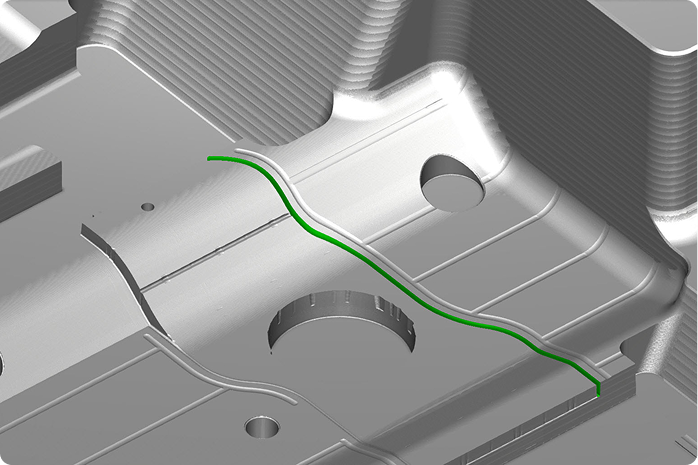
Vericut Die Sinking EDM simulation closes this gap by validating electrode geometry, checking for gouges or remaining material, and verifying accuracy across all electrodes simultaneously.
This is especially critical for moulds requiring dozens—or even hundreds—of electrodes, where manual checking becomes inefficient and error-prone.
With Vericut, shops reduce unnecessary electrodes, lower costs, and deliver moulds faster to injection moulders who rely on them.
-1.png?width=698&height=465&name=Media%20(1)-1.png)
A high-quality mould sets the standard for thousands of finished products. Manufacturers therefore need absolute confidence that every mould is produced using validated, optimised, and production-ready machining processes.
That’s why companies such as Plasson, Brawo, Miju Precision, Imflux, MI Integration, Changyoung Precision, and LG Electronics trust Vericut for safer machining and higher-quality moulds.
Because every mould ultimately supports high-volume production, whether in automotive, medical, or other critical sectors, Vericut’s impact extends well beyond the machine shop.
By enabling defect-free, optimised moulds, Vericut helps safeguard the efficiency, quality, and reliability of entire injection moulding operations.

See how Vericut CNC simulation software can help your business forgo its CNC machining frustrations.
Address:

 English - Singapore
 English - United States
 日本語 - 日本
 한국어 - 대한민국