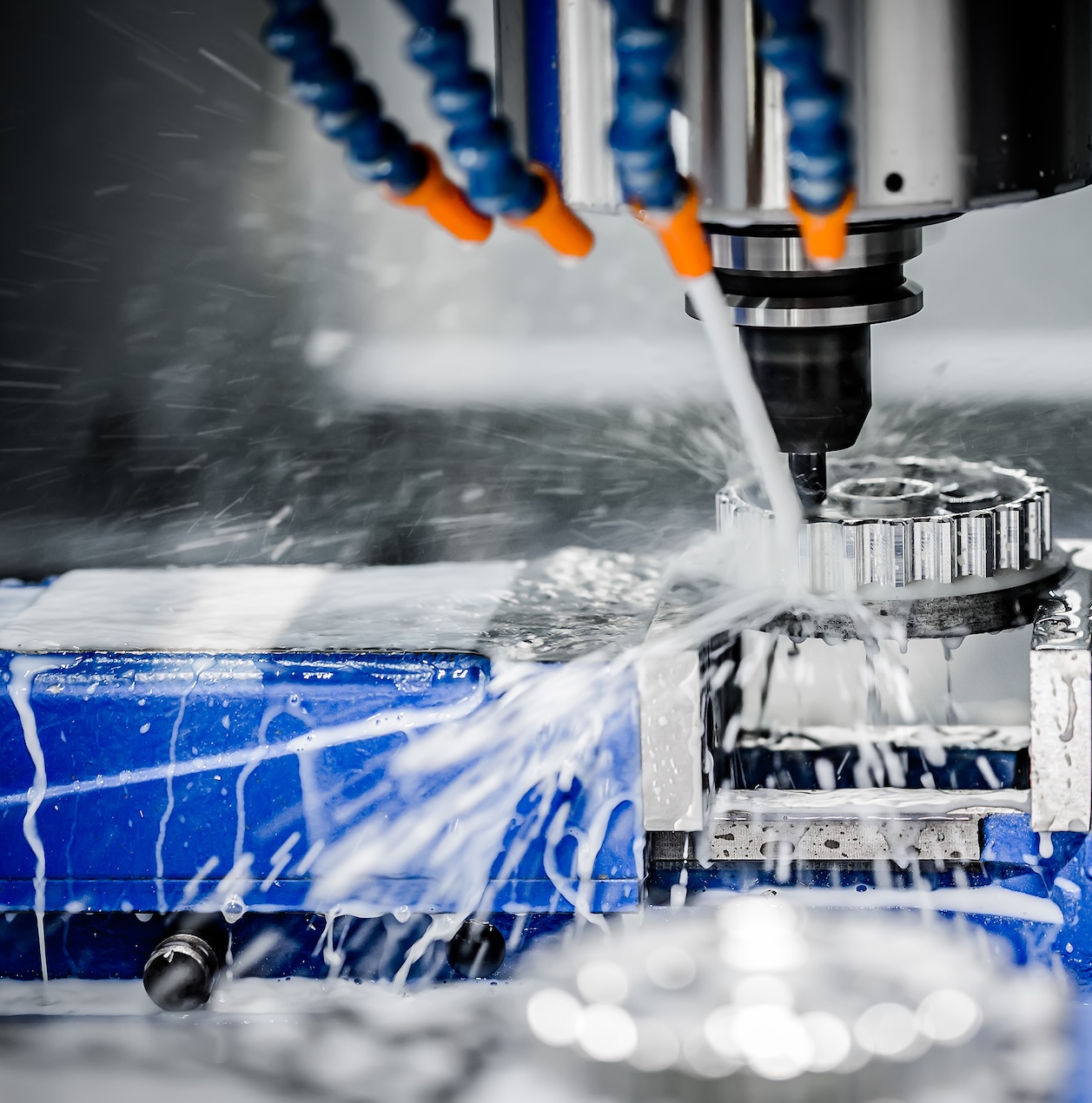
From high-volume production lines to advanced electric vehicle development, CNC machining processes must deliver consistent results across complex machines, multiple facilities and constantly evolving vehicle platforms.
Vericut is CNC simulation and verification software for automotive machining that verifies the actual NC code intended to run on the machine.
By identifying potential collisions, over-travels, gouges and other machining errors before production begins, Vericut helps automotive manufacturers reduce risk, protect CNC machine tools and improve manufacturing efficiency.
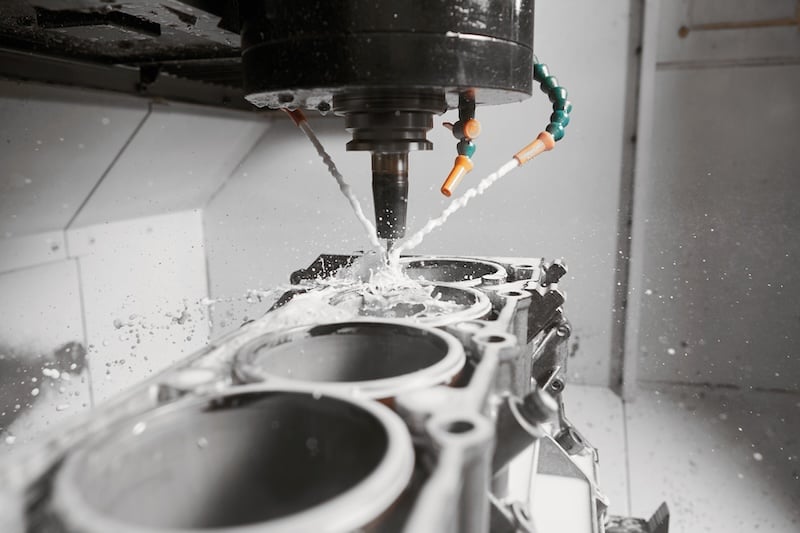
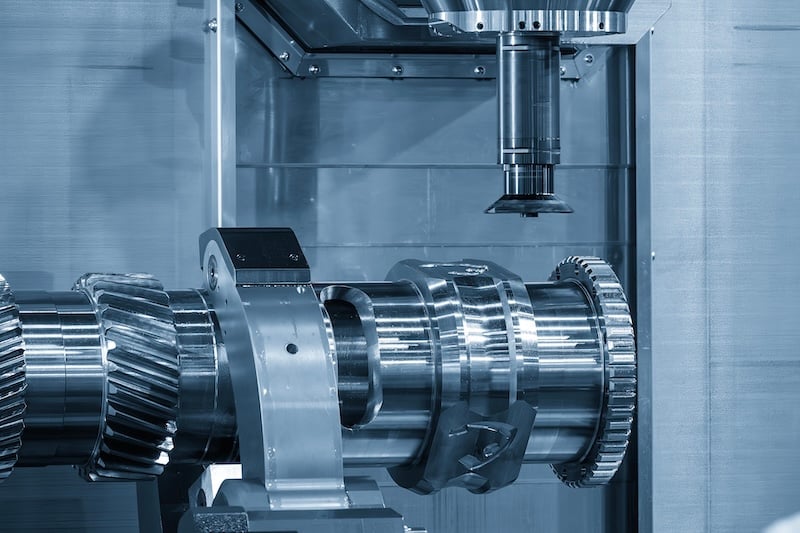
From engine and transmission components to electric vehicle battery enclosures and next-generation propulsion systems, Vericut supports the demands of modern automotive CNC machining, where quality, productivity and production throughput are all critical.
-1.svg)
Automotive manufacturing relies on highly efficient, repeatable production processes. CNC programmes must run reliably across production lines where even a short interruption can affect output, cycle times and production costs.
In a high-volume manufacturing environment, a small programming or machining error can quickly become a much larger production problem. Consistent CNC verification and process control are therefore essential.
.png?width=70&height=70&name=Brand%20Icons%20-%20light%20(10).png)
The automotive industry is undergoing significant change as electric vehicles, hybrid vehicles and new propulsion technologies continue to develop.
EV battery production introduces new component designs, manufacturing processes and machining requirements. New vehicle platforms can also require frequent design and NC programme changes, making fast and reliable CNC simulation increasingly important for automotive manufacturers.
.png?width=70&height=70&name=Brand%20Icons%20-%20light%20(11).png)
Modern automotive CNC machining often involves multi-axis machine tools, complex fixtures, tight clearances and demanding workholding arrangements.
Tool assemblies, rotary-axis limits, machine kinematics and controller-specific behaviour can all affect the machining process. Without thorough CNC simulation and verification, these variables can increase the risk of collisions, gouges and unexpected machine movement.
.svg)
Automotive manufacturers are constantly looking for ways to improve productivity and reduce machining cycle times. However, faster production must not compromise part quality, tool life or process stability.
Manufacturers need to optimise cutting conditions while maintaining reliable and repeatable results across CNC machines, production lines and manufacturing facilities
Automotive manufacturing is changing rapidly.
Electrification, hybrid vehicle technology, connected vehicles and new propulsion systems are changing both the components being produced and the way automotive manufacturers develop and manufacture them.
At the same time, production requirements remain demanding. Automotive CNC machining must achieve tight tolerances, short cycle times and repeatable results across multiple machines, production shifts and manufacturing sites.
Vericut helps automotive manufacturers manage these demands by verifying the actual G-code that will run on the CNC machine, rather than relying solely on theoretical CAM toolpaths.
This means the machining process validated in simulation more closely reflects what will happen on the shop floor, helping reduce uncertainty before production begins.
For automotive manufacturers focused on production efficiency, standardisation, machine utilisation and process reliability, Vericut provides a practical foundation for safer and more predictable CNC machining.
Many shops might feel like they can function without toolpath simulation, just as they’ve been doing for the past ten or twenty years. The reality is that Vericut can be just as much of a profitability driver as adding another CNC machine tool.

.png?width=465&height=310&name=Media%20(33).png)
The growth of electric vehicles is creating new requirements for automotive manufacturing and CNC machining.
Battery enclosures, structural battery housings, lightweight assemblies and other EV components can involve new materials, complex geometries and evolving manufacturing processes.
Vericut helps automotive manufacturers simulate and verify these CNC machining programmes before production, reducing risk as new electric vehicle platforms and manufacturing processes are introduced.
Hybrid vehicles can involve complex variations in components and propulsion architectures across different vehicle platforms.
Vericut supports CNC simulation and verification for hybrid powertrain components and next-generation propulsion systems, helping manufacturers validate programmes before they reach production.
.png?width=465&height=310&name=Media%20(34).png)
.png?width=465&height=310&name=Media%20(35).png)
For manufacturers producing large volumes of automotive CNC machined parts, consistent process control is essential.
Vericut provides additional confidence when producing large quantities of components, helping manufacturers reduce the risk of machine collisions, minimise scrap and standardise CNC programme verification across production lines, machines and facilities.

See how Vericut CNC simulation software can help your business forgo its CNC machining frustrations.
Address:

 English - United States
 日本語 - 日本
 한국어 - 대한민국
.png?width=465&height=310&name=Media%20(32).png)