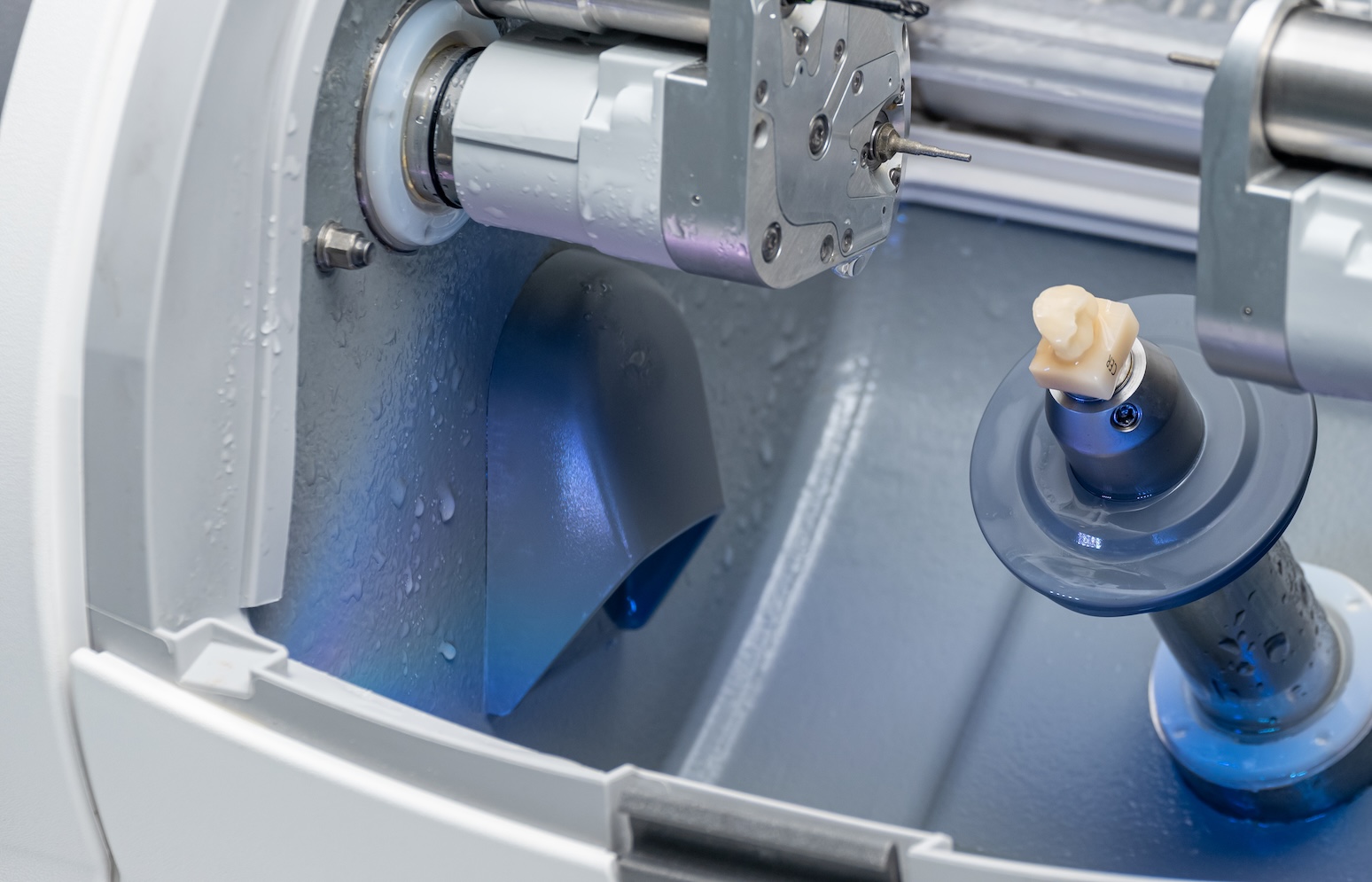
Whether you are producing orthopaedic implants, surgical instruments, diagnostic equipment components or precision valve parts, you need confidence that your CNC programmes will perform exactly as intended.
Vericut is CNC simulation and verification software for medical machining that validates the actual NC code intended to run on your CNC machine, using an accurate digital twin of the machine tool and its control behaviour.
By identifying potential collisions, over-travels, gouges and other machining errors before they reach the spindle, Vericut helps medical manufacturers protect equipment, reduce scrap and support right-first-time production.
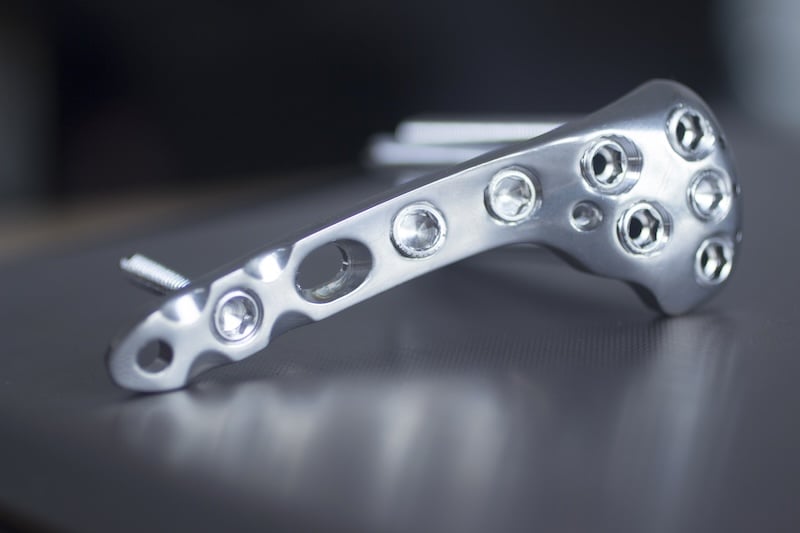

Many medical components include critical fits, sealing surfaces and fine features that must be manufactured consistently across machines, production shifts and manufacturing sites.
Even small variations can result in rework, scrap or additional investigation. Reliable CNC programme verification is therefore an important part of maintaining process control in medical device manufacturing.
.png?width=70&height=70&name=Brand%20Icons%20-%20light%20(10).png)
Medical components frequently require 5-axis machining, long-reach tooling and compact, complex machine set-ups.
Tool assemblies, holders, fixtures and rotary-axis limits all introduce potential collision risks that can be difficult to identify through manual machine prove-outs alone.
.png?width=70&height=70&name=Brand%20Icons%20-%20light%20(11).png)
Titanium, cobalt-chrome, hardened stainless steels, superalloys and other specialist materials are commonly used in medical component manufacturing.
These materials can place significant demands on cutting tools and machining processes. Unstable cutting conditions can lead to tool failure, poor surface finish and costly scrap, even when manufacturing relatively small components.
-4.svg)
Medical manufacturing requires controlled and repeatable processes, strong traceability and evidence that manufacturing procedures are properly managed.
Quality management systems such as ISO 13485 are widely used across the medical device industry, making consistent process control and reliable CNC machining important parts of the overall manufacturing workflow.
Medical manufacturing demands a level of accuracy and process control that can be demonstrated with confidence.
Vericut supports medical CNC machining by simulating the actual NC code and machine behaviour intended for production, allowing potential risks to be identified before machining begins.
This is particularly important when producing medical devices and precision medical components, where a single collision, programming error or unexpected machine movement can affect equipment, part quality and production control.
For manufacturers looking to establish more consistent and standardised CNC machining processes, Vericut provides a practical foundation for safer machining, reduced prove-out time and greater confidence in every programme released to the shop floor.
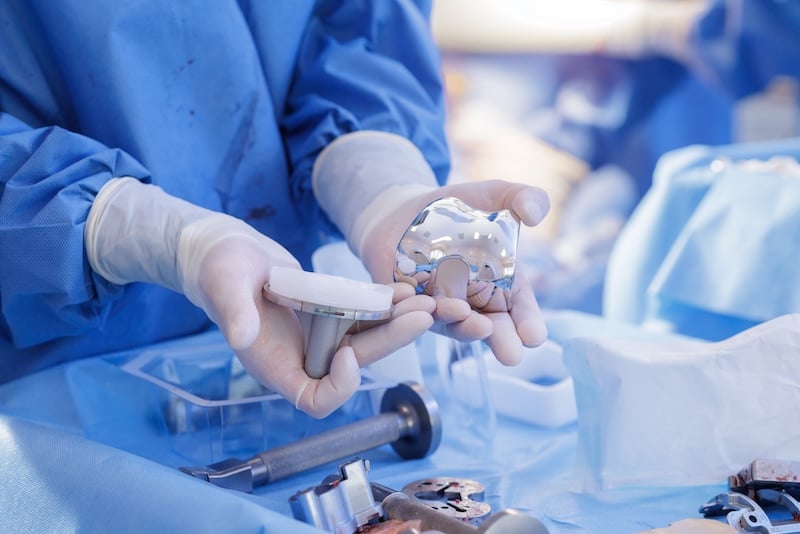
Today, all of Brawo's NC programs are certified with Vericut before entering the shop floor. This applies to both tooling and mass production programs.

Orthopaedic implants, trauma components, surgical instruments and dental systems often require tight tolerances, complex geometries and consistent surface quality.
Vericut verifies the actual NC code used to manufacture these components, helping manufacturers identify potential machining problems and confirm that programmes will perform as intended before production begins.
.png?width=465&height=310&name=Media%20(38).png)
.png?width=465&height=310&name=Media%20(39).png)
Diagnostic systems, imaging equipment, fluid management systems and laboratory automation all rely on precision-machined components that must assemble accurately and function reliably.
Vericut helps manufacturers verify CNC programmes before release, reducing the risk of dimensional errors, collisions and rework during production.
Medical valve core components require a high level of geometric accuracy. Sealing surfaces, fine features and small transitions can all influence component performance and reliability.
Vericut allows manufacturers to simulate and verify these CNC programmes in detail, helping identify gouges, excessive material removal and unexpected machine movement that could affect the finished component.
.png?width=465&height=310&name=Media%20(40).png)
.png?width=465&height=310&name=Media%20(41).png)
Swiss-type CNC machines and mill-turn centres are widely used to manufacture small, high-precision medical components.
These machines can involve synchronised movement, complex tooling arrangements and extremely limited clearances.
Vericut simulates the complete machine kinematics and control behaviour, allowing manufacturers to verify complex CNC turning, milling and multitasking operations before they reach the machine tool.
Many medical components combine multi-axis milling, tight-tolerance features and demanding inspection requirements.
Vericut supports programme-level CNC verification before machining begins, helping manufacturers reduce manual prove-out time while maintaining the process control expected in precision and regulated medical manufacturing.
.png?width=465&height=310&name=Media%20(42).png)

See how Vericut CNC simulation software can help your business forgo its CNC machining frustrations.
Address:

 English - United States
 日本語 - 日本
 한국어 - 대한민국