
 English - United States
 한국어 - 대한민국

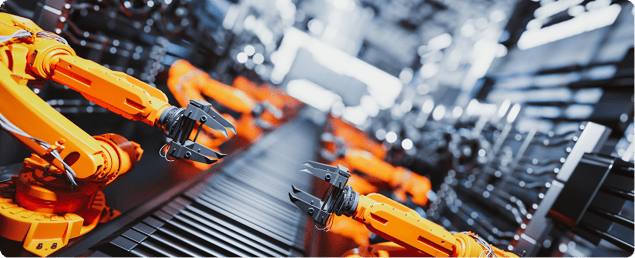
AI(人工知能)は、すでに加工現場で実際に活用される時代を迎えています。工具の提案、ツールパス作成の支援、ソフトウェアに関する質問への回答、見積もり支援、ドキュメントの参照、さらにはCAMプログラミング工程の一部を自動化することも可能です。
また、環境によっては、プロンプト(指示文)から基本的なGコードを生成することさえ可能になっています。
こうした進化によって、いま多くのメーカー、加工担当者、プログラマーが、ある疑問を抱くようになっています。
「AIはCNCプログラマーに取って代わるのか?」
この問いに対する答えは、単純に「はい」か「いいえ」だけで語れるものではありません。
AIがCNCプログラミングを変えていくことは間違いありません。実際、その変化はすでに始まっています。
しかし、熟練したCNCプログラマーをAIが完全に置き換えることは、業界のニュースやインターネット上で語られているほど単純なことではありません。
CNCプログラミングとは、単にコードを作成する作業ではありません。
設計意図を理解し、それを適切に管理された再現性の高い、実機で確実に実行できる製造プロセスへと落とし込む仕事です。
AIは加工方法や条件を提案することができます。しかし、その提案を実際の工作機械で安全に実行できるかどうかを判断するのは、CNCプログラマーです。
この違いこそが、これからのNCプログラミングを考えるうえで重要なポイントです。
重要なのは、AIがツールパスを作成できるか、あるいはGコードを書けるかということだけではありません。
本当に問われているのは、工作機械、部品、作業者、そして生産スケジュールの安全性と信頼性を確保しながら、AIを活用して製造プロセスをさらに効率化できるかどうかです。
これからの製造現場で現実的に進んでいくのは、「CNCプログラマーの代わりにAIを使う」ことではありません。
熟練した人材が主体となってAIを活用し、さらに高度なシミュレーション、検証、プロセス管理によってそれを支える、「AI支援型のCNCプログラミング」へと進化していくと考えられます。
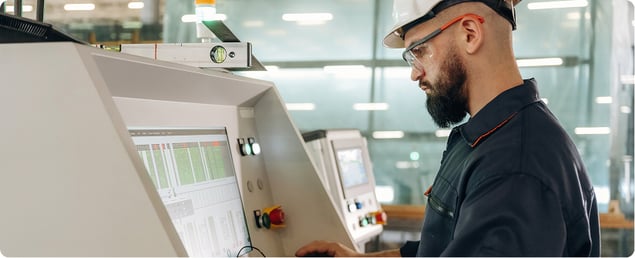
CNCプログラマーの実際の仕事とは?
AIがCNCプログラマーに本当に取って代わることができるのか、あるいは将来的にその可能性があるのかを考えるには、まずCNCプログラマーが実際にどのような仕事を担っているのかを理解する必要があります。
CNCプログラマーは、CNC工作機械が加工を行うために必要な指令を作成します。
その指令は、手作業で作成する場合もあれば、CAMソフトウェアで生成し、ポストプロセッサでNCプログラムに変換する場合もあります。また、実機上で修正したり、シミュレーションや試運転の結果をもとに調整したりすることもあります。
現在の製造現場におけるCNCプログラマーの役割は多岐にわたります。
CADモデルや図面の確認、公差の把握、加工方法の選定、工具やツールホルダーの選択、段取り計画、ワークオフセットの管理、CAMによるツールパスの作成、Gコードの生成、工作機械の動作確認、実機での試運転のサポートなどが含まれます。
さらに、実際の加工が計画どおりに進まなかった場合には、その原因を特定して問題を解決することも重要な役割です。
この最後の点は非常に重要です。
CNCプログラミングは、デジタル上での加工計画と、実際の工作機械による加工をつなぐ役割を担っています。
画面上でツールパスを作成することと、そのツールパスが実機でどのように動作するかを理解することは、まったく同じではありません。
CAMで作成したツールパスは、ポストプロセッサによってNCプログラムに変換され、CNC装置によって解釈された後、特定の工作機械、段取り、治具、工具アセンブリという実際の加工環境で実行されます。
その一連のプロセスを理解し、実機でどのような動作になるのかを判断する必要があります。
だからこそ、経験豊富なCNCプログラマーには大きな価値があります。
単にNCプログラムを作成する方法を知っているだけではなく、実際の製造現場で加工プロセスを安全かつ確実に機能させるための知識と経験を持っているからです。
AIはすでにCNCプログラミングをどう変えているのか
AIはすでにCNCプログラミングに変化をもたらしています。ただし、多くの人が想像するような「ターミネーター」の世界のように、AIが突然人間の仕事を奪うといった劇的な変化ではありません。
実際には、CAMソフトウェア、見積もりツール、生産現場のデータ分析、ドキュメント管理システム、業務支援ツールなど、さまざまな領域でAIの活用が進んでいます。
AIを活用したCAMソフトウェアでは、加工フィーチャの認識、加工工程の提案、一般的な加工に対する初期ツールパスの生成などを支援できるようになっています。
CNCプログラミングの自動化ツールでは、ルールやテンプレートを適用することで、繰り返し行われるプログラミング作業を削減できます。
特に、類似した形状の部品を繰り返し製造する現場では、プログラミング作業の効率化に大きく貢献します。
AIアシスタントを活用すれば、必要なコマンドを探したり、ソフトウェアの操作手順を確認したり、「この操作はどうすればよいのか」といった疑問への回答をすばやく得たりできます。
これにより、マニュアルの中から必要な情報を探す手間を減らすことができます。
こうした技術の進歩が重要なのは、CNCプログラミングに伴うさまざまな手間を減らせるからです。
CNCプログラミングでは、実績のある加工方法の選択、過去に確立した加工方法の適用、既存工具の再利用、複雑なソフトウェアの操作など、類似した判断や作業を繰り返す場面が数多くあります。
AIによって、こうした作業に費やす時間を短縮することで、CNCプログラマーは、人間ならではの高度な判断が必要となる加工プロセスの検討に、より多くの時間を充てられるようになります。
さらに、ツールパスの最適化、送り速度の改善、工具寿命の解析、生産計画、工作機械のモニタリングなどの分野でも、AIや高度なアルゴリズムの活用が広がっています。
これらの技術は、CNCプログラマーに取って代わるものではありません。
むしろ、プログラミングや製造に携わるチームの作業を効率化し、一貫性を高め、より多くの情報に基づいた判断を可能にするための支援技術といえます。
このテーマについてさらに詳しく知りたい方は、「CNC加工におけるAI」の記事もご覧ください。
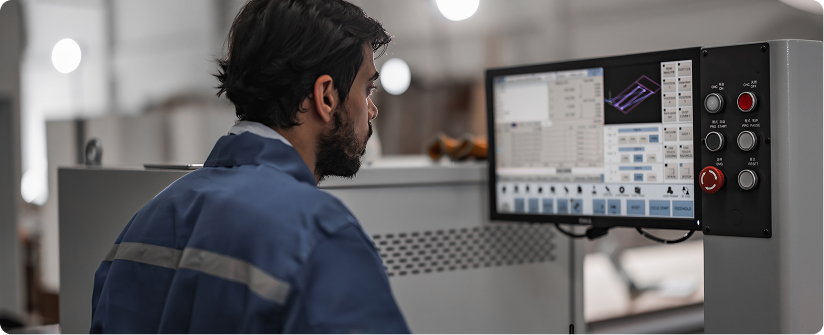
Can AI write G-code?
A large language model can generate simple G-code examples. It may produce a basic drilling cycle, milling routine, or sample program that looks reasonable in a controlled demonstration. For education, training and experimentation, that can be useful.
Production CNC programming is very different.
Machine-ready G-code must be correct for the specific machine, controller, post-processor, setup, tooling, stock, fixture, work offset, material, tolerance requirements, and shop-floor process.
It has to account for how the machine will actually move, how the controller will interpret the code, and what physical objects are present in the machining environment.
The danger, then, is not that AI cannot write code - the danger is that it can write code that looks plausible.
Plausible G-code can still be wrong. It can still exceed travel limits, ignore a fixture, use the wrong assumption about tool length, mishandle a canned cycle or create motion that is technically valid but completely unsuitable for the machine that will run it.
So the better question is not “Can AI write G-code?” It is “Can AI produce verified, machine-specific NC code that can be repeatedly trusted on the shop floor?”
For the time being at least, the answer to that question is no.
Can AI generate CNC toolpaths
AI can generate CNC toolpaths, and this is an area where manufacturers are actually likely to see the technology as a friend, not foe, as it unlocks meaningful productivity gains.
AI-generated toolpaths can be useful when geometry is familiar, machining strategies are repeatable, and the required operations are well understood.
For example, AI-assisted CAM tools may help identify holes, pockets, bosses or planar faces, then suggest appropriate drilling, roughing, or finishing operations.
In environments with standardized tooling and mature process rules, this can save significant programming time.
However, toolpath generation is still only one part of the manufacturing workflow.
A toolpath that looks right in CAM still needs to be converted into machine-specific NC code. That output still needs to be post-processed, checked against the actual machine configuration, and reviewed for collisions, over-travel, holder interference, fixture clashes and setup constraints.
This is where many general discussions of AI in CNC programming become too shallow. They focus heavily on whether AI can generate a toolpath, but they often say much less about whether that toolpath can be safely and confidently released to production.
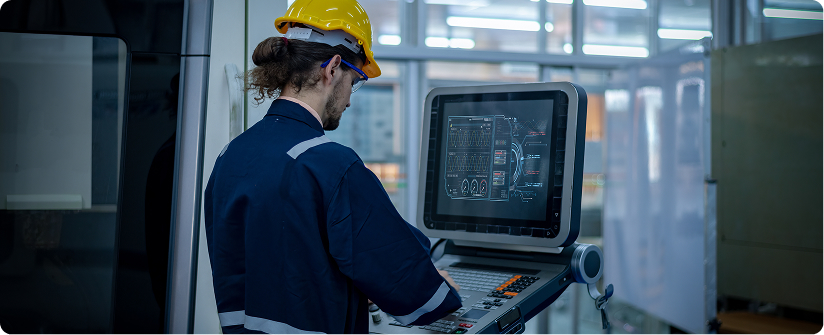
Where AI currently falls short in CNC programming.
AI is undoubtedly powerful and useful, but CNC programming quickly exposes its current limitations. Why? Because manufacturing is not purely digital. It is physical, contextual, and accountable.
The first limitation is the shop floor context. A skilled CNC programmer may know that one machine behaves differently from another, that a specific fixture has been modified, that a toolholder creates clearance concerns, or that a particular material batch is difficult to machine, or that a customer cares most about one critical surface.
Much of that knowledge is not written down in a form AI can easily use. It lives in people, proven processes, shop standards, and experience.
The second limitation is data quality. AI performs best when it has access to reliable, relevant, and well-structured data - ideally in plentiful quantities.
Many manufacturing environments simply don’t have this to offer. They aren’t equipped with perfectly organized records of every toolpath, setup, inspection result, tool-life outcome, machine issue, and production adjustment.
Even when good data exists, it may not transfer cleanly from one machine, material, or shop to another.
The third limitation is judgment. AI can optimize for a stated objective, but CNC programming often involves competing priorities.
The fastest toolpath may not be the best toolpath. The most aggressive cutting strategy may save time but create unacceptable tool wear, heat, or vibration. A conservative process may be slower but more appropriate for a high-value part or an unattended machining environment.
Those trade-offs require human thinking and manufacturing judgment.
The fourth limitation is accountability. If a program causes scrap, damages a fixture, or crashes a machine, the responsibility does not belong to an algorithm. It belongs to the people and processes that released the program.
That is why human oversight in CNC programming is not just a preference - it is a fundamental requirement. AI can support decision-making, but it does not eliminate the need for a qualified person to approve the result.
What skills will CNC programmers need in the future?
CNC programming remains a strong and vital career path, but the skills that matter are changing.
Machining fundamentals will still come first. AI-assisted CAM tools are only useful if the person reviewing the output understands cutting tools, materials, feeds and speeds, tolerances, and machine limits.
Without that foundation, it is difficult to know whether an AI-generated suggestion is sensible or unsafe.
CAD/CAM skills will also remain essential. AI will likely become part of CAM software rather than replace it entirely, so programmers still need to understand how toolpaths are built, what parameters matter, and how strategy choices affect machining outcomes.
G-code literacy will continue to matter, too. Even if fewer programmers write every line by hand, they still need to understand what the code is asking the machine to do. That knowledge is critical for troubleshooting, editing, reviewing post-processed output, and communicating with operators.
Post-processing awareness will also become more important. With AI assistance, programmers do not necessarily need to become post developers, but they should understand that CAM output changes when it is converted to machine-specific NC code. The post-processor is a critical link between digital intent and machine behavior.
Finally, CNC simulation, verification, and optimization software proficiency will become core future skills. As more programming work is automated, manufacturers will need people who can validate output, identify risk, improve machining performance, and release programs with confidence.
The programmer of the future will not simply know how to use AI tools - they’ll know how to challenge and control them.
The modern CNC workflow: AI-assisted, human-led, verification-driven.
The most effective future workflow will combine AI’s speed and agility, with human judgment, engineering ingenuity, and independent verification.
A programmer or manufacturing engineer will still define the manufacturing goal. AI can help generate first-pass operations, suggest toolpaths, or accelerate CAM programming. The programmer will then review that output and decide whether the strategy makes sense.
After that, CAM output will be post-processed into machine-specific NC code. That code must then be simulated and verified against the machine, setup, stock, tools, and fixtures. If optimization is required, the program can be improved for cycle time, tool life, force control, or machining efficiency.
Only after that process will the program be ready for production.
This is not a future without CNC programmers. It is a future where programmers are supported and protected by better tools.
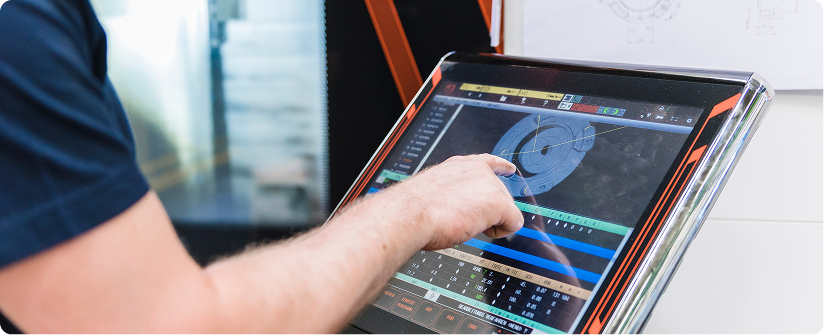
So, will AI replace CNC programmers?
As established, AI can already replace some CNC programming tasks, and its capabilities are likely to expand in the future.
At the time of writing this article, AI is already helping shops automate simple toolpath generation, answer software questions, support first-pass CAM programming, and reduce repetitive work.
But it’s crucial to remember that AI is a tool. It is not a workforce replacement.
CNC manufacturing still depends on real machines, real tools, real fixtures, real materials, real tolerances, real delivery commitments, and real costs when something goes wrong.
That is why the future of CNC programming will not belong to AI alone, but to manufacturers that combine AI-assisted programming with skilled human oversight, accurate post-processing, independent G-code simulation, and proven CNC verification.
The job of CNC programming is changing, but the value of human expertise is not disappearing. If anything, it’s just moving higher in the workflow.