

 English - United Kingdom
 English - United States
 日本語 - 日本
 한국어 - 대한민국

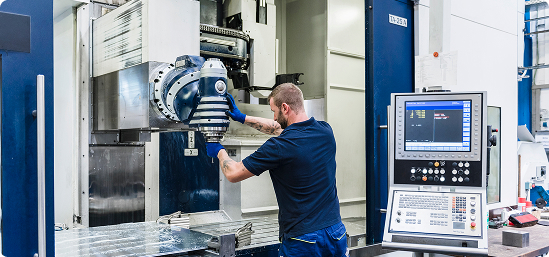
What CNC capacity really means
CNC machining capacity refers to the maximum amount of work your machines can produce within a given timeframe. It’s commonly measured by output metrics such as parts per hour of total cutting hours per day.
Capacity directly impacts manufacturing speed, production costs, and overall operational efficiency. Increasing capacity allows manufacturers to complete more work in less time, improving profitability.
Capacity vs. Efficiency
Higher production capacity helps reduce bottlenecks on the shop floor. While maximizing spindle uptime is a goal for most engineers, overloading critical machines can actually reduce throughput, especially when jobs begin to queue and wait.
The Impact of Insufficient CNC Machine Capacity
When demand exceeds machine capacity, lead times quickly expand as work accumulates. This often results in delayed deliveries, rushed jobs, and increased reliance on overtime. Overworked machines also drive up operating costs and accelerate wear, making each part more expensive to produce.
So, what limits CNC machine capacity? Several factors can restrict machine capacity, including:
- Spindle power, torque, and speed.
- Machine stability at high cutting speeds.
- Machine’s control system capabilities
- Machine size.
- Tool magazine capacity and reload frequency
- Excessive setup and changeover times
Alternative Solution to Purchase New Machines if Capacity at Its Limits
Adding new CNC machines requires significant investment in capital, floor space, and staffing, and these machines must run enough hours to justify the cost.
Before expanding your equipment lineup, it’s often more effective to optimize existing processes. Advanced software, improved tooling, and smarter workflows can unlock hidden capacity and boost throughput without purchasing new machines.
Vericut Optimization solutions help manufacturers streamline workflows, improve machining efficiency, and maximize the performance of existing CNC machines.
Optimize CNC Machining Capacity with Software
Virtual process verification
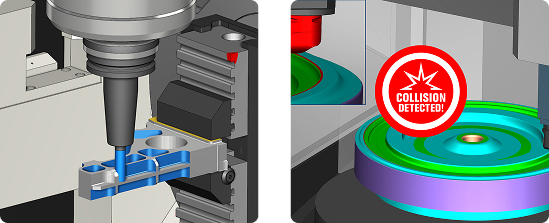
CNC simulation software such as Vericut recreates CNC machines and NC programs in a virtual environment. This digital twin enables manufacturers to validate machining processes, detect errors, and resolve setup issues before production begins.
Performing test cuts digitally is significantly faster than running them on the shop floor, freeing up valuable machine time. Virtual verification also prevents crashes and scrap, allowing CNC capacity to be used for productive cutting instead of rework.
Collision detection
CNC collisions are costly and disruptive, instantly stopping production and consuming valuable capacity. Vericut’s collision detection monitors the entire motion path to identify over-travel and interference before they occur.
By eliminating collisions, machining becomes right the first time, ensuring machine capacity is dedicated to producing parts, not recovering from downtime.
Toolpath optimization
While Vericut Verification focuses on preventing errors, Vericut Force enhances machining performance by optimizing cutting conditions.
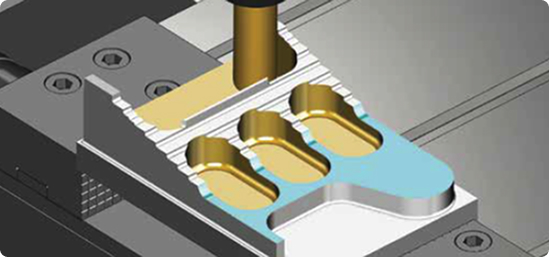
Vericut’s physics-based algorithm optimization determines ideal feed rates to maximize efficiency. With Vericut Force, manufacturers can fine-tune feed rates, chip load, and surface finish to achieve consistent machining and shorter cycle times.
Vericut Force users report up to 25% cycle-time reduction and significantly extended tool life, effectively recovering lost machine capacity.
Crucially, Vericut connects all operations across the entire machining process, providing a complete, end-to-end view. This holistic insight is essential for manufacturers looking to unlock hidden capacity.
With detailed, actionable analytics, engineers can adjust toolpaths and machining strategies in real time, keeping spindles cutting and capacity fully utilized.
Additional Benefits of Virtual Planning
Virtual manufacturing tools also help identify and reduce:
-
- Idle spindle time
- Production bottlenecks
- Inefficient tool changes
- Issues revealed through cut-by-cut analysis
Additional Ways to Optimize CNC Machining Capacity
Machine optimization
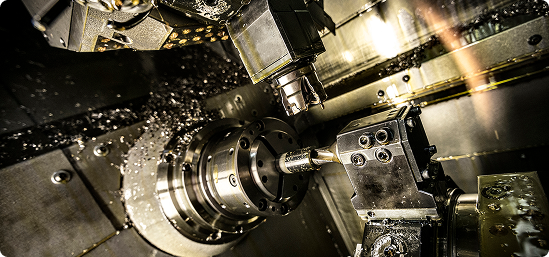
There are many opportunities to increase efficiency in milling, drilling, and turning operations while reducing the amount of capacity required per part.
With proper planning and optimized NC programs, high-feed and high speed milling can significantly shorten roughing cycles and accelerate overall production.
In turning operations, using Constant Surface Speed (CSS) maintains optimal cutting conditions as part diameters change, improving efficiency and reducing machining time.
The most effective machine and process optimization strategies depend on the type of parts being produced, materials used, and production volumes.
Tooling & fixturing optimization
Selecting the right cutting tool and fixturing can make the difference between a highly efficient machining process or one that wastes capacity.
Advanced, high-quality tooling designed for specific materials or applications delivers longer tool life and higher cutting speeds. In some cases, multifunction tools can reduce the number of tool changes and free up space in tool magazines.
Fixturing also has a major impact on productivity. Manufacturers who adopt faster setup solutions, such as zero-point clamping systems, spend less time on changeovers and more time machining.
Vericut’s advanced simulation capabilities help evaluate tooling and setup strategies, identifying opportunities to improve tool selection and maximize machine performance.
In conclusion:
Before investing in the cost, space, and complexity of new CNC machines, it’s worth assessing how much additional capacity your existing CNC machines can deliver.
Vericut’s powerful simulation and physics-based optimization solutions enable manufacturers to uncover hidden CNC capacity, reduce times, and improve part quality, without adding hardware.
Investing in Vericut allows you to make smarter use of your current machines, making it a cost-effective first step toward higher productivity and profitability.
Get in touch with us now to explore how optimizing benefits your CNC machining capacity.
-1.jpg)